

AI and Digital Transformation to feature at the 2026 Manufacturing Indaba
Johannesburg, South Africa: 23 June 2026 – Artificial Intelligence (AI) is rapidly emerging as one of the most significant forces shaping the future of manufacturing globally, and Africa’s manufacturing sector is increasingly recognising its potential to drive productivity, competitiveness, innovation, and economic growth.
As manufacturers across the continent grapple with rising production costs, supply chain disruptions, energy constraints, skills shortages, and increasing global competition, AI is providing powerful new tools to improve operational efficiency, reduce waste, optimise production processes, and unlock new business opportunities. According to a recent African Development Bank report, the adoption of AI across Africa has the potential to contribute an additional US$1 trillion to the continent’s GDP by 2035 through enhanced productivity, innovation, and business transformation.
For Africa’s manufacturing sector, the opportunity is particularly significant.
Artificial intelligence is already being deployed globally across a range of manufacturing applications including predictive maintenance, quality control, inventory management, production planning, robotics, supply chain optimisation, and energy management. AI-powered systems can analyse vast amounts of operational data in real time, enabling manufacturers to make faster, smarter decisions while reducing downtime and improving productivity. Research continues to show that AI adoption contributes positively to productivity improvements, quality enhancement, and supply chain optimisation within manufacturing environments.
The United Nations Industrial Development Organization (UNIDO) has identified AI and advanced digital technologies as key enablers of industrial transformation, helping manufacturers become more competitive, resilient, and sustainable. Through initiatives such as its Global Alliance on AI for Industry and Manufacturing, UNIDO is actively promoting the adoption of AI-driven technologies to accelerate industrial development worldwide.
Across Africa, the digital manufacturing revolution is beginning to gather pace.
From automotive production facilities in South Africa to advanced processing plants in North Africa and emerging industrial hubs across East and West Africa, manufacturers are increasingly investing in Industry 4.0 technologies to improve efficiency and strengthen their competitiveness. Digital technologies such as AI, machine learning, industrial automation, digital twins, advanced robotics, and smart sensors are helping companies move towards more intelligent and connected manufacturing operations.
The benefits extend far beyond productivity gains.
AI can assist manufacturers in reducing energy consumption, improving resource efficiency, enhancing workplace safety, and supporting sustainability objectives. Predictive maintenance systems, for example, can identify equipment failures before they occur, reducing costly downtime and extending the lifespan of critical assets. Advanced quality control systems can detect defects with greater accuracy than traditional inspection methods, helping manufacturers improve product consistency and reduce waste.
However, despite the enormous potential, significant challenges remain.
Many African manufacturers continue to face barriers including limited digital infrastructure, skills shortages, inadequate access to capital, cybersecurity concerns, and uncertainty regarding AI governance and regulation. Experts agree that addressing these challenges will require stronger collaboration between governments, industry, technology providers, educational institutions, and development partners.
The development of digital skills will be particularly important.
As AI adoption accelerates, the demand for workers with expertise in data analytics, automation, robotics, software engineering, cybersecurity, and digital operations is expected to increase significantly. Rather than replacing human workers, many industry experts believe AI will augment human capabilities, creating opportunities for higher-value jobs while requiring substantial investment in workforce upskilling and reskilling.
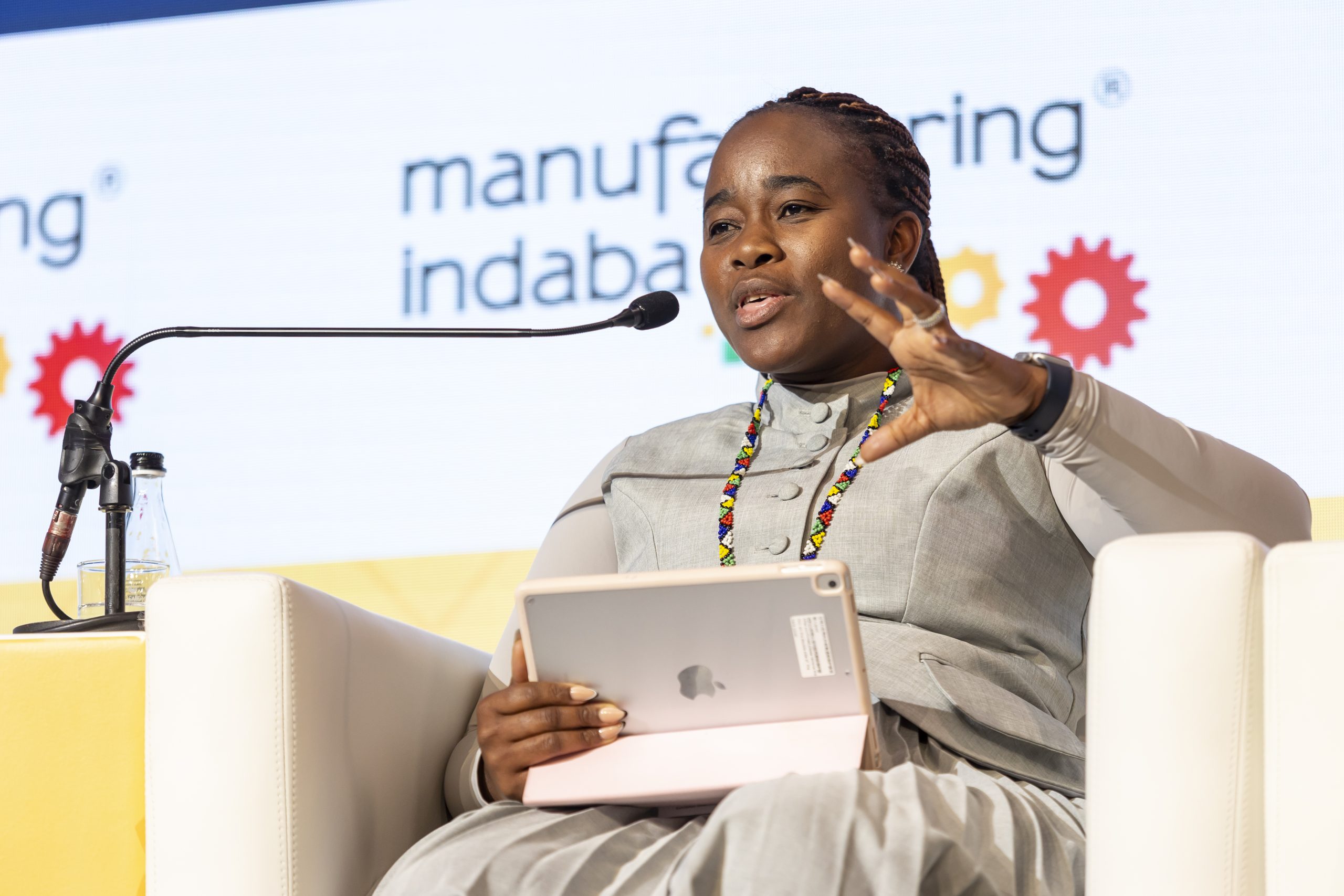
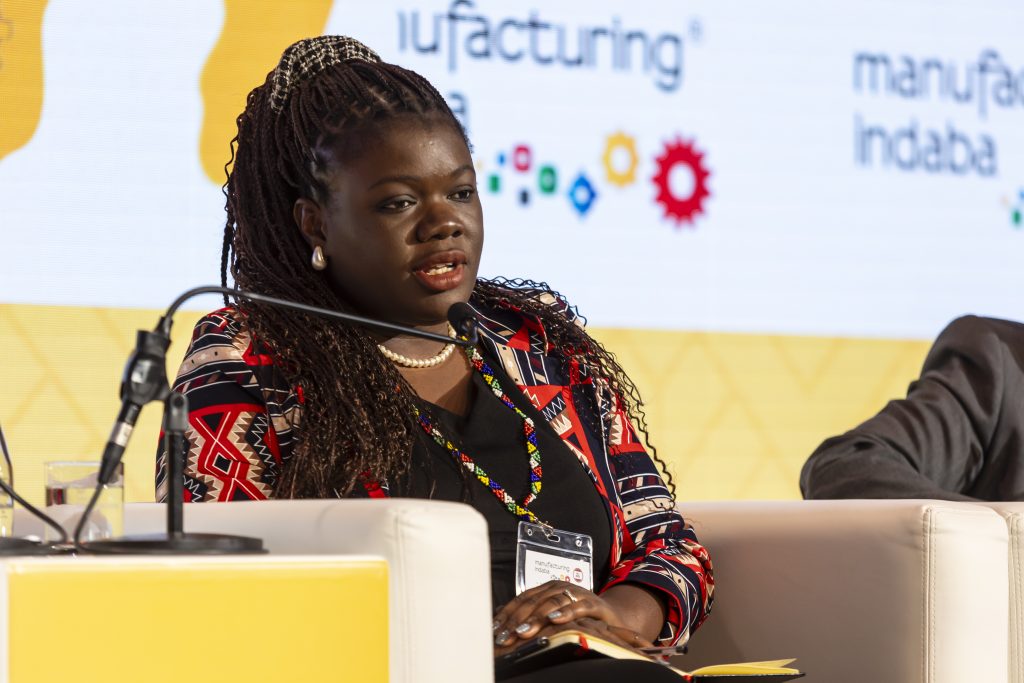
Recognising the growing importance of AI and digital transformation, the Manufacturing Indaba, taking place on 14–15 July 2026 at the Sandton Convention Centre, Johannesburg, will feature dedicated discussions exploring how artificial intelligence is reshaping the future of manufacturing in Africa.
Industry leaders, technology experts, manufacturers, policymakers, investors, and academics will examine the practical applications of AI in manufacturing, the opportunities presented by Industry 4.0 technologies, strategies for overcoming adoption barriers, and the role of digital transformation in strengthening Africa’s industrial competitiveness.
Key discussion topics will include AI-driven manufacturing, smart factories, automation and robotics, digital supply chains, predictive maintenance, workforce transformation, industrial innovation, and the policy frameworks required to support widespread adoption across the continent.
As Africa seeks to accelerate industrialisation, expand regional value chains, and increase manufacturing’s contribution to economic growth, artificial intelligence is expected to play a central role in shaping the factories of the future. The question is no longer whether AI will transform manufacturing in Africa, but how quickly African manufacturers can embrace the opportunity and position themselves to compete in an increasingly digital global economy. The Manufacturing Indaba 2026 will provide a vital platform for industry stakeholders to explore these issues and chart a path towards a more productive, innovative, and globally competitive African manufacturing sector.