

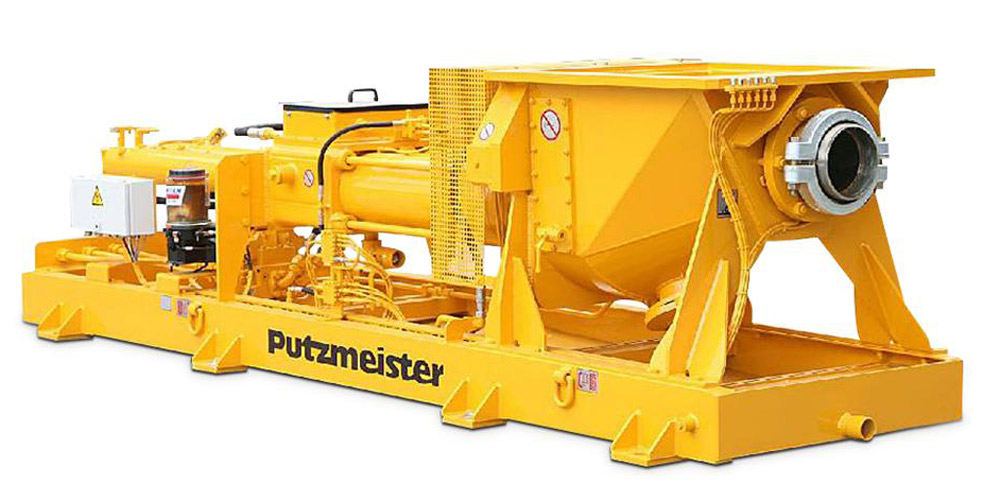
As underground mining operations become increasingly complex, reliable paste backfill systems have become fundamental to maintaining safe production, protecting underground infrastructure and maximising ore recovery.
Chris Swarts, Head of Mining & Operations at Putzmeister South Africa, explains why engineering expertise, skilled people and long-term technical partnerships have become just as important as the equipment itself.

Mining companies rarely judge success by the number of pumps installed on site. Instead, success is measured in tonnes produced, downtime avoided and the ability to keep operations running safely, efficiently and continuously.
For underground operations in particular, every interruption has consequences. Whether it delays production, affects development schedules or compromises ground support, equipment reliability has become one of the defining factors of modern mine performance.
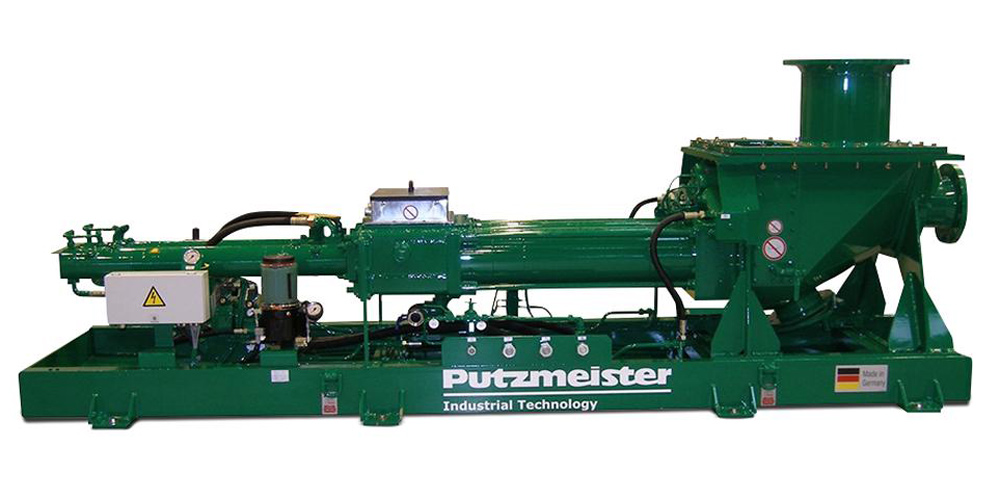
It is within this environment that paste backfilling has evolved from a specialist mining process into an essential component of many underground mining operations. At the centre of that process are pumping systems capable of transporting highly abrasive, high-density materials over long distances under demanding operating conditions.
According to Chris Swarts, Head of Mining & Operations at Putzmeister South Africa, reliable pumping technology is only one part of the equation.
“Our biggest asset is our people, and we invest heavily in them,” he says. “From commissioning and technical inductions through to ongoing support, our focus is ensuring customers understand their equipment and continue to get the best possible performance throughout its operational life.”
That philosophy reflects Putzmeister’s broader approach to mining across Africa. Rather than viewing itself purely as an equipment supplier, the company positions itself as an original equipment manufacturer (OEM) that combines engineering expertise, technical support and lifecycle services to help customers maximise equipment reliability and minimise operational risk.
Understanding the Importance of Paste Backfilling
Although often overlooked outside specialist mining circles, paste backfilling has become one of the most important technologies supporting modern underground mining.
After valuable ore has been extracted, the resulting underground voids must frequently be filled with a cemented paste produced from mine tailings. This engineered material restores ground stability, supports surrounding rock structures and enables mining companies to safely extract additional ore that would otherwise remain inaccessible.
Swarts explains that the process demands consistency.
“Paste filling is used to stabilise underground areas that have already been mined, allowing operators to safely mine additional pillars. Once the filling process begins, it should be as continuous as possible. It’s not ideal for the pump to stop because interruptions can affect the integrity of the backfill.”
Unlike conventional slurry pumping applications, paste backfill systems handle extremely dense material containing high solids concentrations. Maintaining continuous flow is therefore critical not only for productivity but also for maintaining underground stability.
The importance of reliable backfilling is reflected globally.
One recent Putzmeister project at the Pengzhuang Coal Mine in China demonstrates how modern paste backfill systems are supporting safer and more sustainable underground mining. Designed with an annual filling capacity of 800,000 tonnes, the installation pumps cemented mine tailings containing up to 77% dry solids at delivery rates of 200 m³/h and pressures reaching 100 bar. Beyond improving underground stability, the project is intended to extend mine life, reduce surface subsidence and improve overall resource recovery.
While geological conditions differ between regions, the engineering principles remain remarkably similar.
Across Africa, underground mines are increasingly seeking pumping systems capable of delivering high availability, predictable performance and dependable long-term support.
Engineering Beyond Equipment
For many equipment suppliers, customer engagement begins when a request for quotation is issued.
Putzmeister approaches projects differently.
According to Sales Director Conrad Buitendacht, successful installations begin long before procurement decisions are made.
“It isn’t something you simply buy off the shelf,” he explains. “We work with customers from the beginning of the project to ensure the right solution is designed for their operation.”
That involvement includes evaluating pumping requirements, selecting the correct equipment, designing pipeline systems and ensuring that every component operates as an integrated solution. This engineering-led approach helps eliminate costly design compromises while ensuring that equipment is correctly matched to each mining application.
For mine operators, the benefit extends beyond the initial installation. Correct equipment selection influences maintenance requirements, wear rates, pumping efficiency and ultimately the total cost of ownership throughout the life of the operation.
Reliability That Extends Beyond the Pump
Although Putzmeister has built its reputation on robust engineering, both Swarts and Buitendacht repeatedly emphasise that customers increasingly differentiate suppliers by the quality of support they receive after installation.
“It’s not always about price,” says Buitendacht. “It’s about availability—availability of spare parts, availability of technicians and always being there when customers need us. When those pumps go down, the mine stands.”
That statement captures one of mining’s most fundamental realities. Every hour of unexpected downtime affects production schedules, increases operating costs and places additional pressure on maintenance teams. For this reason, Putzmeister has invested heavily in developing responsive after-sales support throughout the African region.
Rather than relying solely on technicians travelling from South Africa, the company works with trained local partners in the countries where it operates, enabling faster response times while supporting local content initiatives increasingly required across the continent.
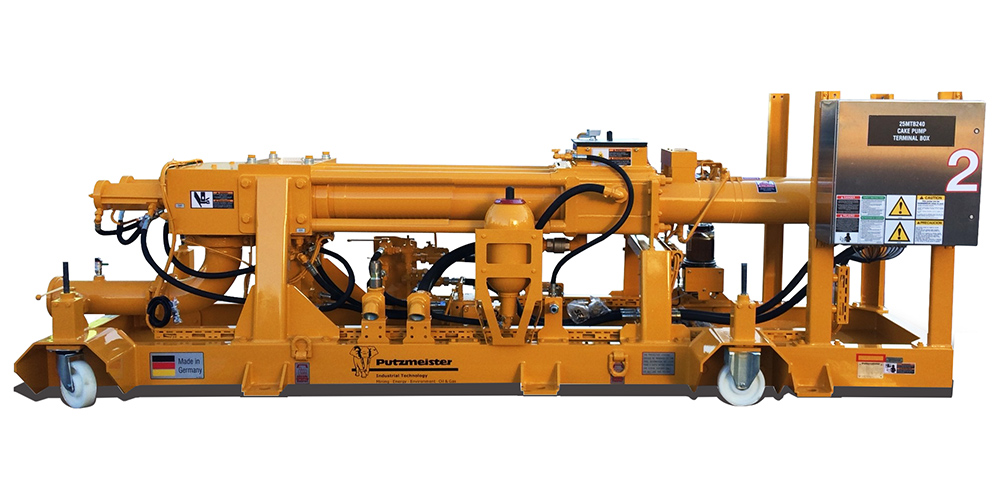
Swarts explains that every installation is supported through technical inductions, preventative maintenance guidance and structured servicing recommendations designed to maximise equipment availability. Combined with readily available critical spare parts and ongoing engineering support, this proactive approach helps customers reduce the likelihood of unplanned failures while extending component life.
Importantly, it also allows maintenance teams to address many issues before they become production-critical.
Supporting Africa’s Largest Underground Mining Operations
While the mining industry often celebrates major equipment installations and record production figures, some of its most important technologies operate almost entirely behind the scenes. Paste backfill systems fall firmly into that category. Without dependable pumping systems capable of transporting highly abrasive paste over long distances, many underground mining operations would struggle to maintain the ground stability required for safe, continuous production.
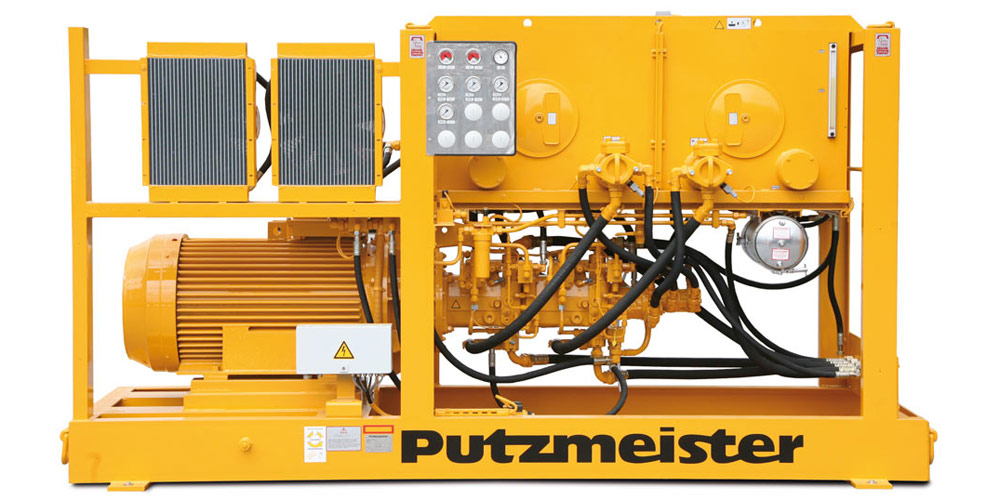
For the drive of high solids pumps, available hydraulic power rates from 7.5 kW up to 1600 kW.
Although customer confidentiality prevents Putzmeister from identifying individual mining operations, the company’s technologies are currently supporting paste backfill applications at several of Africa’s largest underground mines.
According to Swarts, this responsibility extends far beyond supplying equipment. As the original equipment manufacturer (OEM), Putzmeister works alongside customers throughout the lifecycle of each installation, combining engineering expertise with technical support, preventative maintenance, operator training and application guidance.
The objective is not simply to keep pumps operating, but to optimise the entire pumping system throughout its operational life. By improving equipment reliability, extending component life and helping customers optimise pumping performance, the company supports mining operations in reducing the risk of unplanned downtime while maintaining safe and efficient production.
This lifecycle approach has become increasingly important as mines seek to maximise return on investment while operating under growing commercial and operational pressures. Rather than viewing maintenance as a reactive activity, Putzmeister encourages customers to adopt preventative maintenance strategies supported by regular inspections, technical assessments and engineering expertise.
For mining companies operating in remote regions, this proactive philosophy can significantly reduce operational risk.
Developing Local Capability Across Africa
As African governments continue strengthening local content policies, equipment suppliers are increasingly expected to contribute to skills development within the countries where they operate. For Putzmeister, this has become a central component of its regional strategy.
“We invest a lot of time and effort into the mine and the people working there,” explains Swarts. “We focus on technical training, local support and transferring knowledge so that customers have the capability to respond quickly when challenges arise.”

Rather than relying exclusively on technicians travelling from South Africa, the company develops local technical capability through certified service partners and customer training programmes. This approach offers practical benefits for mining operations.
In many cases, local technicians are able to diagnose or resolve issues immediately, reducing delays that might otherwise occur while specialist personnel travel to site. Where more advanced support is required, Putzmeister’s engineering teams provide additional remote assistance or mobilise experienced technicians when necessary.
Buitendacht notes that this strategy reflects the realities of operating across a geographically diverse continent.
“Every country is asking for local partners,” he explains. “You can’t simply arrive as a foreign company and operate independently. We work with certified local partners and ensure they receive the same technical training and support.”
Equally important is ensuring that customers maintain critical spare parts inventories. Having skilled technicians available is only one part of maintaining uptime; having the correct components immediately available on site can often determine how quickly production resumes following an unexpected interruption. Together, these measures create a support model focused on responsiveness, knowledge transfer and long-term operational continuity rather than reactive maintenance alone.
Changing Perceptions of the Putzmeister Brand
Mention the name Putzmeister to many people and the first image that comes to mind is likely to be a concrete boom pump. While that association reflects the company’s long-standing reputation within the construction industry, it represents only part of a much broader engineering business. Today, Putzmeister’s expertise extends across industrial pumping, mining technologies, shotcrete systems, tunnelling solutions, sludge handling, wastewater applications and specialised pumping systems serving multiple industries.
“We basically pump almost everything except water,” Swarts says with a smile.
For Buitendacht, expanding awareness of these capabilities remains one of the company’s ongoing challenges. Many customers still associate the brand primarily with concrete equipment, unaware that the same engineering expertise now supports some of the world’s most demanding industrial pumping applications.
Within mining alone, Putzmeister technologies contribute to multiple stages of a mine’s development. Concrete pumping equipment supports surface infrastructure construction, shotcrete systems provide underground ground support, while specialised paste backfill pumps maintain stability in mined-out stopes.
Viewed collectively, these capabilities position Putzmeister as far more than a pump manufacturer. Instead, the company has evolved into an engineering partner supporting infrastructure development, underground mining and industrial processing throughout the lifecycle of a mining operation.
Innovation Beyond the Mine Gate
Although paste backfill technology remains central to Putzmeister’s mining business, innovation across the wider organisation demonstrates the breadth of its engineering capability. One of the most interesting developments is Instatiq, a specialist business within the wider Putzmeister Group that is advancing large-scale 3D concrete printing technology.
Using automated concrete placement guided by digital building models, the technology enables structural walls and building components to be constructed with remarkable speed and precision while reducing material waste and labour requirements. Although currently aimed primarily at the construction sector, the technology has significant long-term potential for mining.
Remote mining operations often require the rapid construction of accommodation, offices, workshops and other supporting infrastructure. Automated construction systems could eventually offer mining companies a faster and more sustainable method of developing these facilities, particularly in isolated locations where skilled labour and logistics present ongoing challenges.
Innovation is also evident in Putzmeister’s continued investment in electrification. According to Buitendacht, much of the company’s current equipment portfolio is already available in fully electric configurations. As mining companies continue pursuing decarbonisation strategies and lower-emission operations, electrically powered equipment is expected to play an increasingly important role in future fleet development.
The company’s engineering expertise also extends beyond mining into broader industrial applications.
One recent South African project demonstrated how Putzmeister pumping technology was used to support the introduction of alternative fuels within cement manufacturing, contributing to improved process efficiency while supporting lower fossil fuel consumption. Although serving a different industry, the project reflects the company’s ability to adapt specialised pumping technologies to complex industrial processes requiring high reliability and precision.
Ultimately, whether supporting underground paste backfilling, industrial processing or emerging construction technologies, the underlying philosophy remains consistent: applying engineering expertise to solve operational challenges while helping customers improve efficiency, reliability and long-term performance.
Engineering Partnerships That Extend Beyond the Sale
Throughout discussions with both Chris Swarts and Conrad Buitendacht, one message emerged consistently: the pump itself is only one component of a successful mining operation. The real value lies in the engineering expertise, technical knowledge and long-term partnerships that ensure equipment continues performing under some of the most demanding operating conditions in the world. Unlike many industrial assets, underground paste backfill systems operate continuously under high pressures while handling extremely abrasive materials. Their performance depends not only on robust engineering, but also on correct system design, preventative maintenance, operator training and access to experienced technical support.
For Swarts, this holistic approach ultimately determines whether customers achieve the reliability they expect over the life of the equipment.
“From our side, we strive to create a good customer experience,” he explains. “The purchase order is only one part of the relationship. It is everything that follows afterwards that determines the second, third and fourth order.”
That long-term mindset has become increasingly valuable as mining companies seek strategic technology partners capable of supporting operations throughout the entire lifecycle of their assets. Rather than viewing after-sales service as an additional offering, Putzmeister integrates engineering support, technical training, preventative maintenance and customer engagement into its overall business model. Regular site visits, ongoing technical assessments and proactive maintenance recommendations help identify potential issues before they become production-critical, allowing customers to maximise uptime while reducing operational risk.
For operations spread across multiple countries, another significant advantage lies in equipment standardisation.
Using common equipment platforms across different mines simplifies spare parts management, improves technician familiarity and reduces training requirements. Engineers and maintenance teams transferring between operations are already familiar with the equipment, enabling them to maintain productivity with minimal transition time.
As Buitendacht observes, consistency across multiple operations can be just as valuable as the equipment itself.
Looking Ahead
Africa’s mining industry is entering a period of significant transformation. Growing demand for critical minerals, deeper underground operations, stricter environmental expectations and increasing pressure to improve productivity are changing the way mining companies evaluate equipment suppliers.
Performance is no longer judged solely by technical specifications. Today’s mining operators increasingly seek partners capable of supporting projects throughout their operational lifecycle, combining engineering expertise with responsive technical support, digital innovation and local capability.
For Putzmeister, that evolution aligns closely with its long-term strategy. Whether supporting underground paste backfill operations, investing in electrified equipment, expanding technical training programmes or exploring new technologies such as automated concrete construction, the company continues focusing on practical engineering solutions that improve operational performance.
Importantly, these developments are taking place alongside continued investment in people.
From graduate engineers and technical college trainees to experienced field service technicians and regional service partners, the company’s emphasis on skills development reflects an understanding that engineering excellence depends as much on people as it does on products.
That investment ultimately benefits customers through faster response times, stronger technical capability and more resilient support networks across Africa.
A Future Built on Reliability
Mining has always been an industry defined by resilience. Operating in remote locations, often under harsh conditions and against demanding production targets, mining companies depend on equipment that performs consistently every day. Yet as operations become more sophisticated, reliability can no longer be measured solely by machine performance.
It is equally determined by engineering expertise, application knowledge, preventative maintenance, technical training and the strength of the partnerships supporting every installation. Throughout its discussions with AMER, Putzmeister made it clear that its competitive advantage lies not simply in manufacturing pumping equipment, but in helping customers keep their operations moving.
That philosophy is perhaps best summarised by one of Buitendacht’s simplest observations:
“When those pumps go down, the mine stands.”
For mines operating around the clock, that statement serves as a reminder that every component within a paste backfill system contributes directly to operational continuity. By combining OEM engineering expertise with local technical capability, lifecycle services and a commitment to customer support, Putzmeister is helping mining companies across Africa build more reliable, efficient and resilient operations—one installation at a time.




Great read!