

Tuesday, 7 July 2026 – Water security is becoming one of Africa’s defining infrastructure challenges. Climate variability, ageing networks, unequal access, poor water quality, and rising demand are placing pressure on systems that communities, industries, and ecosystems rely on every day.
For governments, utilities, developers, industrial operators, and financiers, the challenge is not one that can be resolved by securing new water sources. It is about managing water as a connected system, from catchments and bulk infrastructure to treatment, distribution, reuse, environmental rehabilitation, and long-term operational resilience.
South Africa illustrates the scale of the challenge. The country receives less than half the global average rainfall and is ranked among the most water-stressed countries in the world. Nearly half of the country’s treated water is lost before reaching consumers due to leaks, bursts, faulty meters, and other inefficiencies. The Department of Water and Sanitation (DWS) has also confirmed that improving water reliability is a core priority, alongside increasing access and reducing non-revenue water.
WSP in Africa is responding to this need through its Africa One Water Group. This integrated network brings together more than 150 local water-related specialists across its business units, supported by WSP’s global water expertise of approximately 6,000 specialists. Together, they pioneer solutions and deliver innovative projects across the water sector.
The aim is to help clients address water challenges through a single, integrated lens, rather than through fragmented service lines.
“Water risk does not sit neatly within one discipline,” says Dr Heidi Snyman, Strategic Technical Advisor: Earth & Environment, WSP in Africa. “It can involve infrastructure condition, water quality, regulatory compliance, catchment health, climate exposure, community access, environmental liability, and long-term rehabilitation. The value of Africa One Water lies in bringing these technical threads together early enough to shape better decisions, rather than responding only once problems have become urgent.”
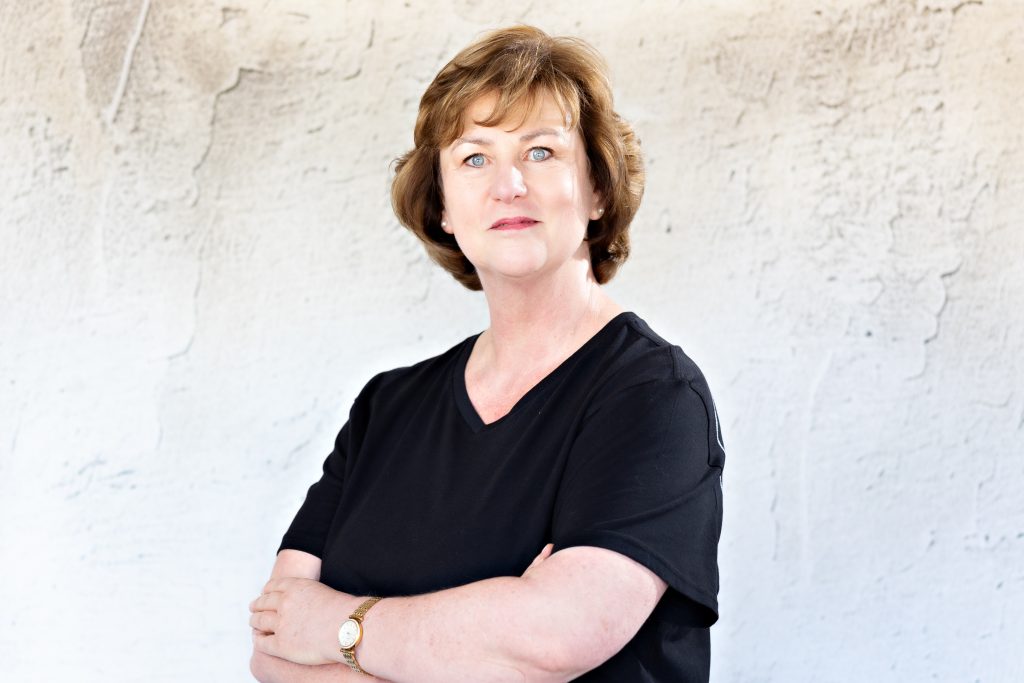
WSP recently strengthened its water leadership with Dr Snyman’s return to the business, recognising the increasing complexity of clients’ environmental and water-related risks. Her role focuses on helping clients move from technical complexity to integrated solutions, spanning due diligence, liability costing, water stewardship, rehabilitation, remediation, and implementation.
An integrated approach
The Africa One Water approach draws on WSP’s capabilities across six connected areas: safe and equitable water, sustainable water resource management, climate resilience and adaptation, innovation and technological advances, water quality improvement, and water advisory services. These reflect the way water challenges occur in the real world, where treatment, catchment health, flood risk, infrastructure performance, licensing, water quality, and operational resilience are often linked.
Through this integrated model, WSP supports clients across the full water lifecycle. This includes treatment and desalination, integrated catchment management, coastal protection, hydrology and drainage, stormwater infrastructure, water conservation and demand management, digital monitoring systems, laboratory testing, water quality standards, groundwater assessment and modelling, marine intakes and outfalls, wastewater reuse and reclamation, passive mine water treatment, pollution control, water licensing, water and salt balance studies, mine dewatering, pumps, pipelines, water-retaining structures, and mechanical, electrical, controls and instrumentation services.
Broader perspective
This breadth matters because a single intervention rarely achieves water resilience. A municipality facing high non-revenue water may need asset condition data, pressure management, pipeline rehabilitation, metering, funding advice, and operational monitoring. A mining or industrial client may need water and salt balances, compliance support, contamination and remediation expertise, passive treatment, and long-term rehabilitation planning. A coastal or port development may require marine modelling, intake and outfall design, flood resilience, coastal process analysis, and water quality monitoring.
“Across much of Africa, water resilience starts with the systems we already have,” says Patrick Riley, Director: Water & Maritime, WSP in Africa. “Ageing infrastructure, persistent water losses, uneven investment, and constrained municipal capacity are placing pressure on already stressed systems. Improving efficiency, reducing non-revenue water, strengthening wastewater treatment systems, and rehabilitating critical infrastructure can unlock capacity without always having to build entirely new systems.”
Understanding the complexities
For WSP, these pressures require a more integrated form of technical advisory and delivery support. Water planning can no longer be separated from climate risk, infrastructure condition, environmental impact, governance, or affordability. A leaking distribution network, for example, is not only an engineering problem. It has implications for municipal revenue, community trust, water availability, energy use, public health, and long-term asset management.
“Climate variability has shifted from occasional disruption to an operating condition. Water planning now needs to account for prolonged dry periods, sudden flood events, deteriorating infrastructure, and changing land use. That requires stronger forecasting tools, better catchment understanding, improved monitoring, and infrastructure that can withstand more volatile conditions,” says Snyman.
Data as a cornerstone
Data is becoming increasingly important in this shift. Digital monitoring, smart metering, modelling tools, and asset management platforms can help utilities and water users understand where water is being lost, how systems are performing, and where investment should be prioritised.
“Better data visibility helps clients move from reactive maintenance to targeted intervention. If you know where losses are occurring, how water quality is changing, or which assets are approaching failure, you can direct limited resources to the areas where they will have the greatest impact,” says Riley.
This is particularly important in sectors where water is directly tied to operational continuity and the licence to operate, including mining, manufacturing, energy, agriculture, property development, and municipal infrastructure. Across these sectors, clients are increasingly expected to demonstrate responsible water use, protect ecosystems, comply with regulations, and maintain reliable operations under changing climate conditions.
Greater collaboration
The Africa One Water Group also reflects a deliberate internal shift toward greater collaboration across WSP’s business units. By bringing together expertise from water, maritime, earth and environment, infrastructure, energy, mining, buildings, and advisory teams, WSP can help clients address water as both a connected risk and a value driver.
“Water resilience is ultimately about preparedness. Infrastructure must be planned, maintained, and operated with a clear understanding of future pressures. When engineering, environmental science, advisory, and digital capabilities are aligned, clients are better equipped to protect supply, manage risk, and make investment decisions that hold up over time,” says Riley.
Water systems will influence public health, economic development, climate adaptation, food security, industrial growth, and environmental protection across Africa. The scale of the challenge requires more than isolated projects. It requires integrated thinking, technical depth, and teams capable of translating strategy into implementation.
This is where WSP makes a difference. We bring together advisory, engineering and scientific expertise to help our clients navigate complexity and deliver impact across the full water cycle, from strategy and planning through to design, delivery and long‑term asset performance. Our focus is on creating resilient, future‑ready water systems that support communities, protect natural resources, and enable sustainable growth.
“Securing Africa’s water future will depend on how well we bring disciplines together. The opportunity is not only to respond to water stress, but to reshape how water systems are planned, monitored, restored, and managed for the long term,” concludes Snyman.
WSP in Africa is hiring! To find out more about available opportunities, check out the Careers page on our website or look out for updates on our LinkedIn page, @WSPinAfrica.