
As mining operations place growing pressure on plant availability and production continuity, the management of conveyor spares is increasingly being recognised as a critical reliability function rather than a routine procurement exercise.
According to David Pereira, Head of Sales at Tru-Trac, effective supply chain discipline around conveyor components is essential to preventing costly unplanned stoppages and protecting throughput across the value chain.

“Conveyor systems remain central to the movement of material through crushing, screening, processing and shipping stages,” he says. “When a critical component is not readily available, what may begin as a relatively minor failure can rapidly escalate into extended downtime and significant production losses.”
Pereira notes that while mines typically focus heavily on major equipment such as crushers and mills, conveyor systems often comprise numerous smaller components that are equally vital to uninterrupted operations.
“In many cases, downtime can be triggered by the failure of what appears to be a relatively small item – an idler, a scraper blade or a belt alignment component,” he says. “The production impact, however, can be just as severe.”
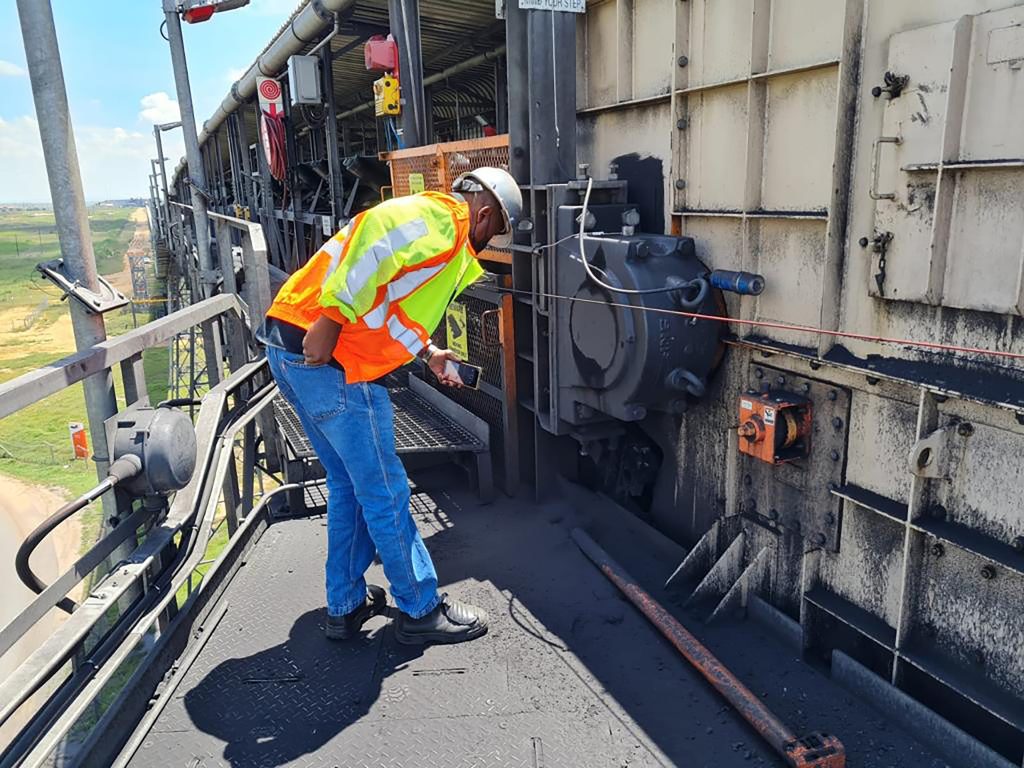
Among the most important of these are belt cleaning systems and scrapers which play a direct role in controlling carry-back, spillage and belt tracking performance. When these components are not maintained or replaced timeously, secondary issues such as belt misalignment, accelerated wear and safety risks can quickly follow.
Pereira emphasises, however, that the solution is not simply to increase inventory levels.
“Excessive stockholding ties up capital and can create its own inefficiencies, particularly where obsolete or incorrect parts are stored on site,” he explains. “The real value lies in stocking the right components in the correct quantities, based on the specific operating conditions of each conveyor installation.”
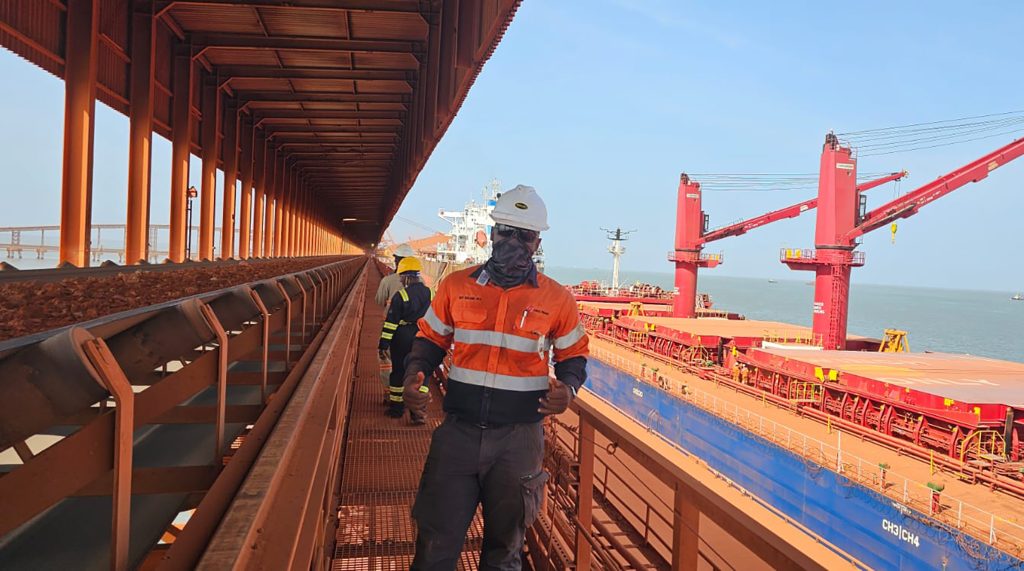
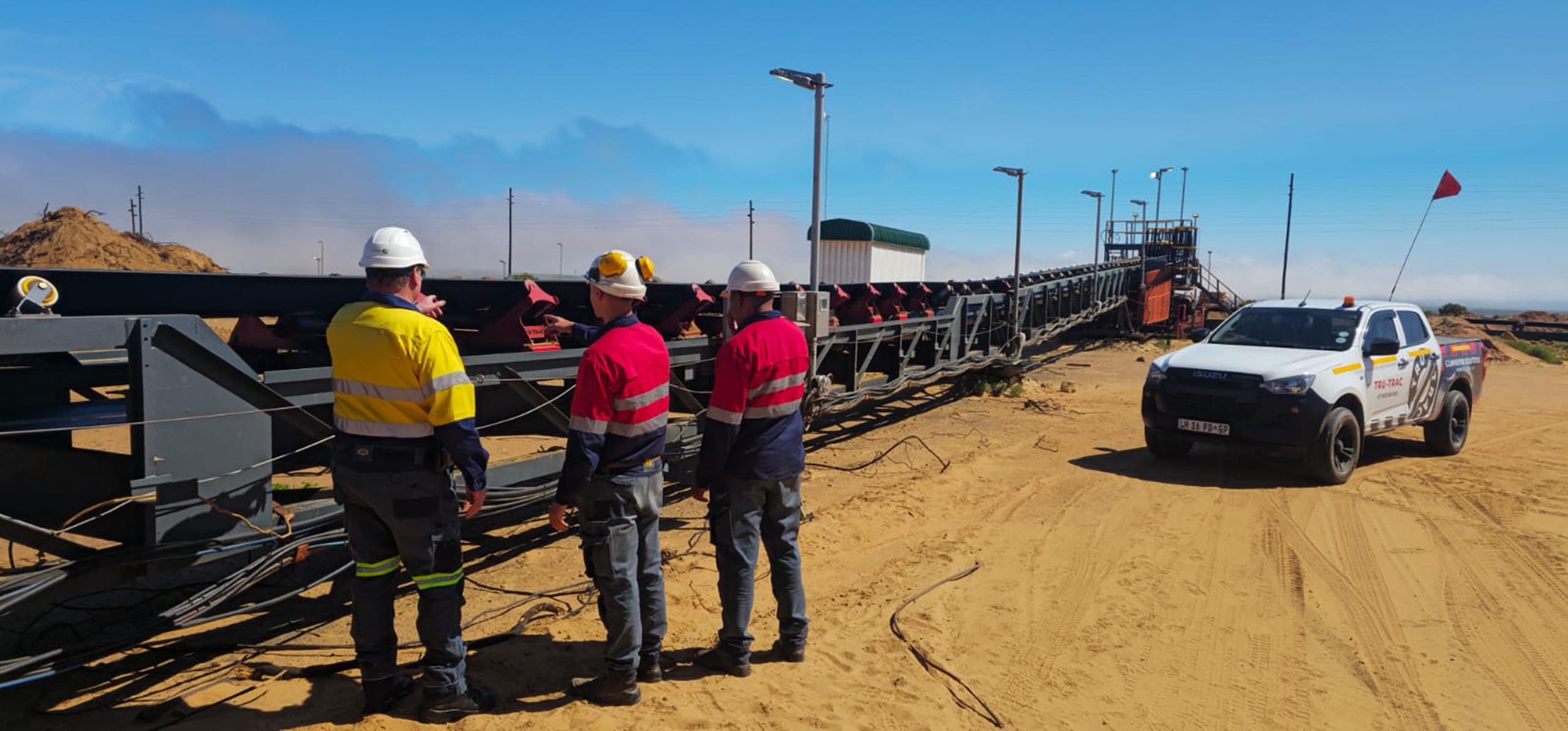
To achieve this, Tru-Trac works closely with mining customers to assess conveyor configurations, component lifecycles, throughput requirements and lead times. This process is typically informed by detailed belt surveys and site inspections conducted alongside plant maintenance teams.
“These assessments allow us to identify wear patterns, potential failure points and component replacement cycles,” Pereira says. “The data then feeds directly into minimum and maximum stock recommendations.”
He adds that wear rates can shift materially as mines move through different ore zones, with changes in material abrasiveness and throughput directly influencing component lifespan.
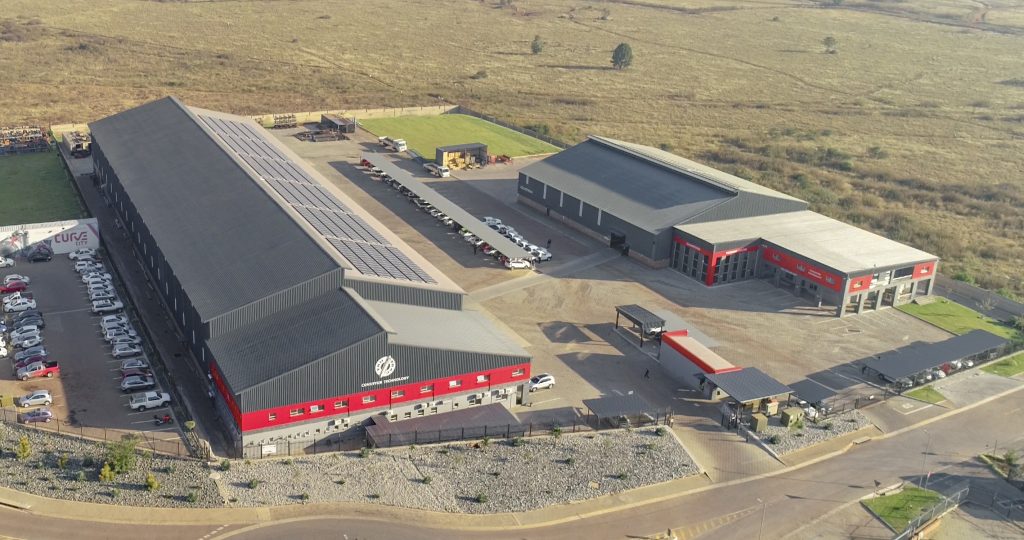
“Regular forecasting and ongoing inspections are therefore essential,” he says. “Monthly reviews supported by quarterly forward planning help ensure stock levels remain aligned with changing operational realities.”
Pereira notes that the broader cost implications of poor spares planning are often underestimated, as downtime, emergency logistics, labour inefficiencies and safety incidents all add materially to total cost of ownership.
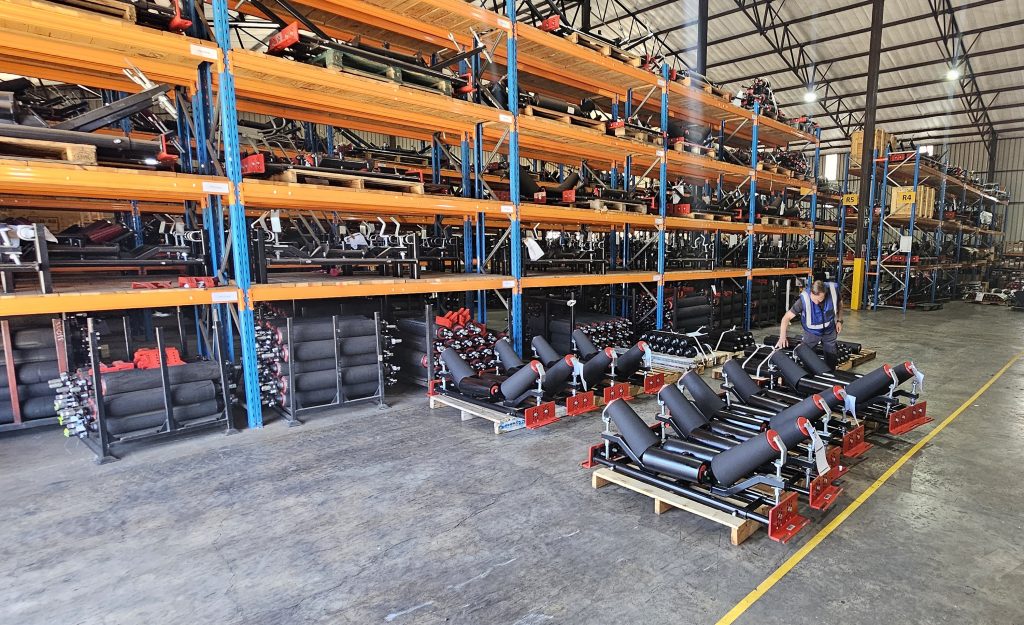
“Ultimately, this is about protecting uptime through informed planning,” he concludes. “When the right components are available at the right time, mines are far better positioned to maintain production continuity and reduce overall operating risk.”