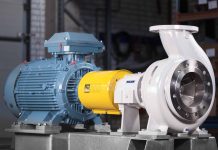

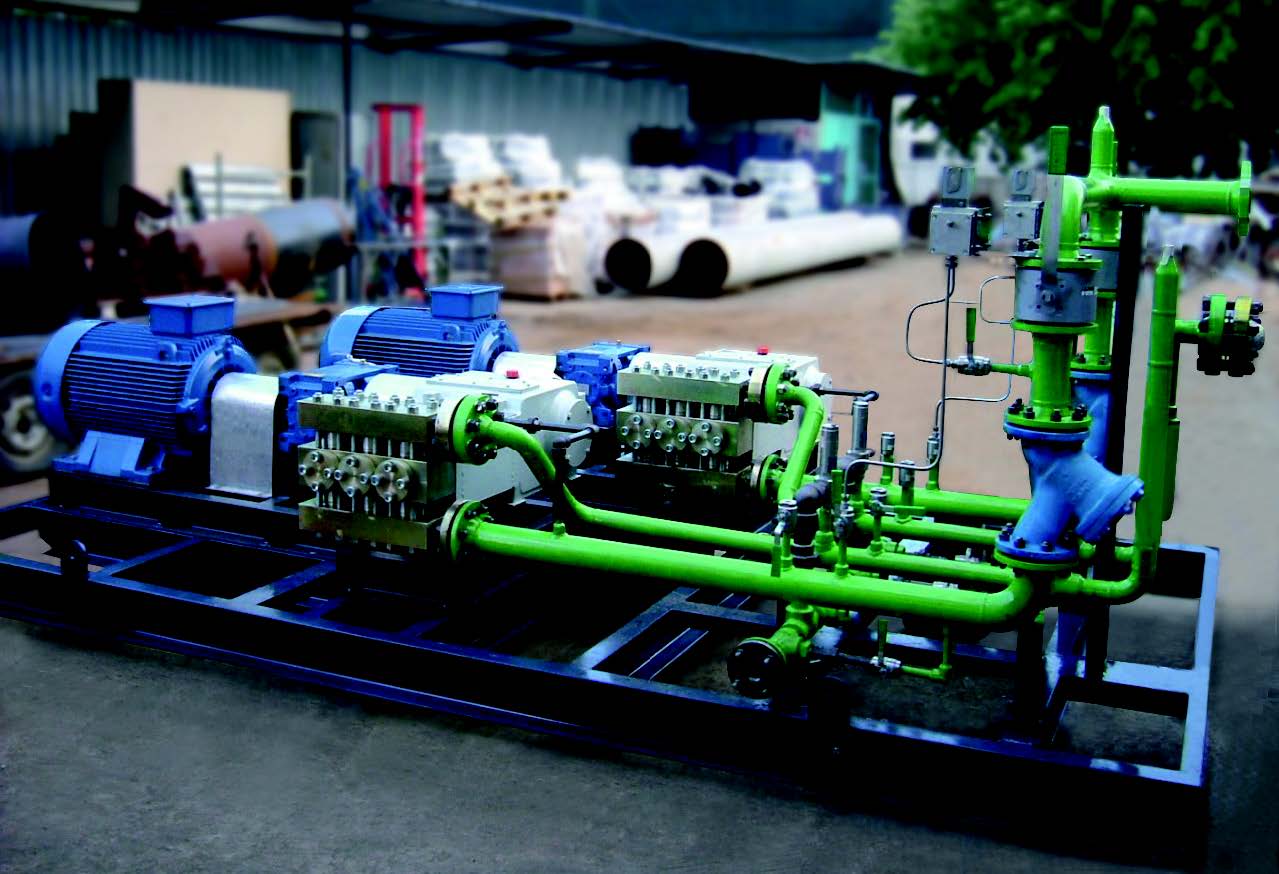
Reciprocating pumps, known for their robust design and ability to handle high-pressure tasks, are indispensable in a variety of industrial applications. These pumps operate using a back-and-forth motion, typically powered by a piston or plunger, to move fluids through a cylinder. This motion creates a suction phase, drawing fluid into the pump, followed by a compression phase, where the fluid is expelled under high pressure.
Key Advantages and Applications
One of the primary advantages of reciprocating pumps is their ability to generate high pressures, making them ideal for industries that require precise control over fluid flow. They are especially effective in handling viscous fluids and those containing solids, such as slurries and muds in oil and gas drilling, or abrasive chemicals in industrial processing. Due to their high-pressure capabilities, reciprocating pumps are also commonly used in water jetting, high-pressure cleaning, and hydraulic systems.
In addition to their versatility, they can operate effectively in low-flow conditions, which is beneficial for applications such as metering and dispensing where precise fluid control is necessary. Diaphragm pumps, a type of reciprocating pump, are particularly valued for their reliability in handling aggressive chemicals without risk of contamination.
Considerations for Use
While reciprocating pumps are highly efficient, they do have some drawbacks, including the generation of pressure pulsations. These pulsations can cause wear and tear on the pump and connected systems, but this issue can often be mitigated with the use of pulsation dampeners. Additionally, they require regular maintenance to ensure longevity and prevent leakage, especially in high-demand industrial environments.
In summary, reciprocating pumps are vital in industries where high pressure, precision, and the ability to handle challenging fluids are required. Their design allows them to be used across a wide range of applications, from oil and gas to chemical processing and beyond, making them a versatile and reliable choice for industrial fluid management.
For those looking to implement or upgrade their fluid handling systems, reciprocating pumps offer a balance of power, precision, and durability that can meet the demands of even the most challenging environments