

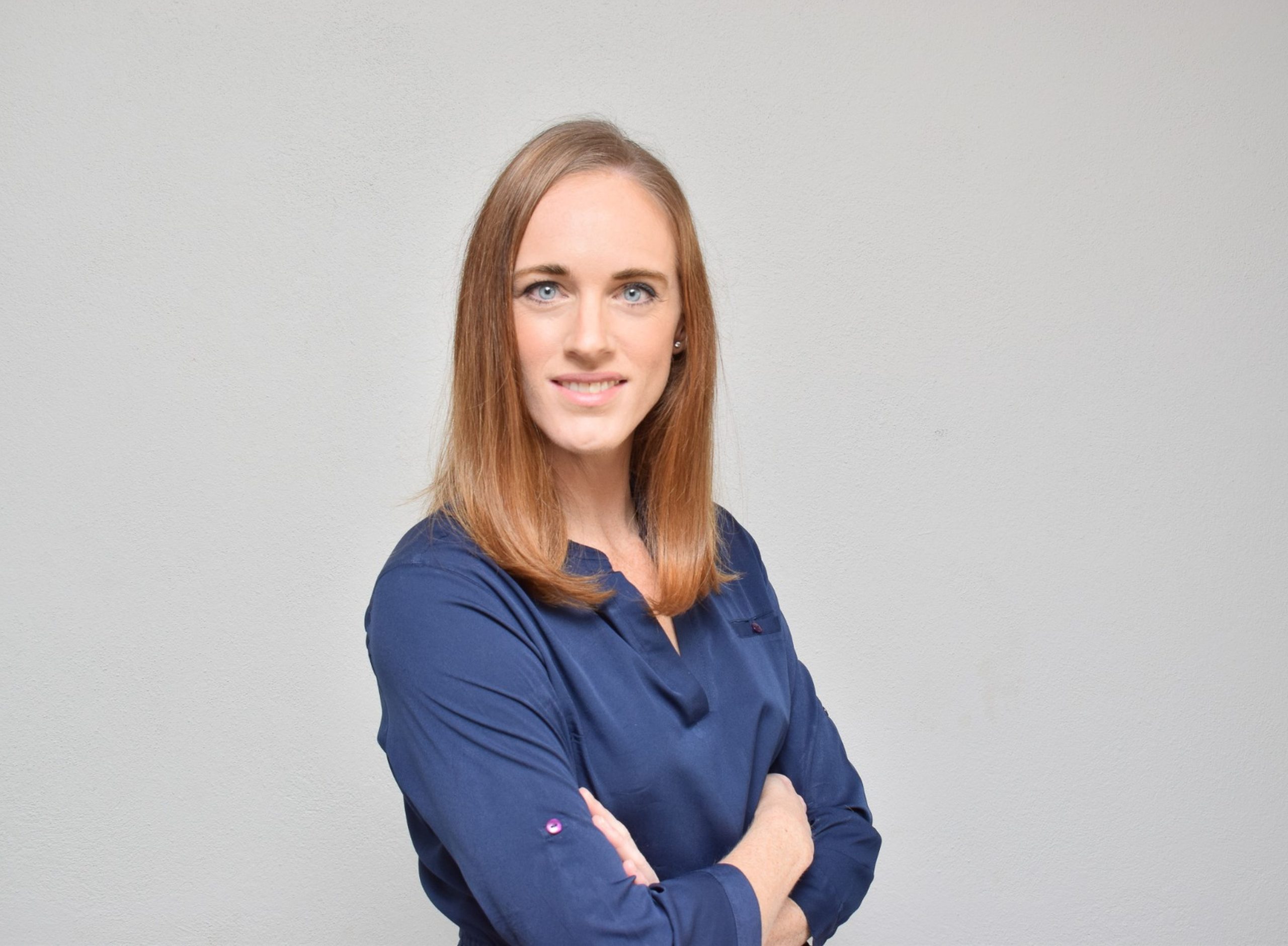
Camille Kraak, Principal Associate, Groundwater, WSP in Africa
Groundwater is difficult to see, yet easy to simplify. In water-scarce mining regions, however, it can be one of the most sensitive parts of the environmental system. Mining operations, neighbouring farms, and other users may depend on the same limited resource, while recharge can be slow and highly variable.
That makes groundwater protection a central consideration when a mine changes how ore is extracted. A decision to move from open-pit to underground mining is not only a change in mining method; it is accompanied by a wider set of decisions about waste placement, water management, environmental impacts, and the mitigation measures that may be required. These subsequent decisions introduce new uncertainties and require an updated basis of understanding before groundwater risk can be assessed defensibly.
The model starts with understanding the groundwater system
Groundwater cannot be observed as easily as a river or dam. We build our understanding from geological information, field investigations, groundwater levels, water quality data, aquifer testing, structural interpretation, and other evidence gathered over time. That conceptual understanding comes before the numerical model.
In a recent assessment for an undisclosed southern African mining operation, we brought together multiple independent lines of evidence to understand a fractured, structurally complex groundwater system. The conceptual model was translated into a three-dimensional numerical model capable of simulating groundwater flow and contaminant transport during mining and after closure.
The distinction is important because a sophisticated numerical model cannot compensate for a poor conceptual understanding of the site. The assumptions about how groundwater flows through a system, how different parts of the aquifer are connected, and how recharge occurs can have a profound effect on the predicted outcome.
We tested this directly. When the same system was modelled under different assumptions about groundwater saturation, the predicted contaminant movement varied substantially. The facility and contaminant source had not changed. The representation of how water could move through the subsurface had. That difference can influence conclusions about risk, mitigation, monitoring, and project design.
A contaminant source does not define the impact
Geochemistry forms another important part of the picture. At the site we assessed, testing indicated that some mine materials could generate acidic drainage and release constituents of concern. That is a real hazard and has to be understood properly.
The impact on groundwater still depends on what happens after those constituents are released. Their ability to move is controlled by groundwater flux, permeability, structural connections, and the amount of water available to transport them.
The hydrogeological assessment showed that groundwater movement at the site was strongly restricted by low permeability and hydraulic compartmentalisation. The modelling consequently predicted that water-quality impacts would remain concentrated within the mining domain, with negligible risk to surrounding agricultural groundwater users within the assessed scenarios and timeframe.
That conclusion belongs to this site. Another mine with stronger hydraulic connections, different geology, or greater recharge could produce a very different result.
The broader lesson is that risk is site-specific. A contaminant source only becomes an impact if the groundwater system provides a credible mechanism for mobilisation, transport, and exposure.
Water scarcity changes the transport question
Dry conditions create a difficult tension for groundwater management. Scarcity increases the importance of protecting the resource because there may be little reliable replenishment. At the same time, very low recharge and limited groundwater movement can restrict the processes that carry contaminants away from a source.
In our assessment, the modelling showed that contaminant migration was governed largely by the availability of water to mobilise and transport the material. Limited recharge, low groundwater flux, and restricted connectivity kept predicted movement close to the source areas.
This does not mean that arid environments are inherently protected from groundwater contamination. It means that water availability, recharge, saturation conditions, flow dynamics, hydraulic connectivity, and potential source–receptor pathways must be represented realistically when assessing whether contaminants can be mobilised and transported.
For example, assuming continuous saturation in a setting where large portions of the subsurface remain unsaturated can produce a very different prediction from one grounded in site evidence. Conservative assessment remains important, but it should not substitute for representing the physical system accurately.
Good modelling should narrow the uncertainty
Numerical models do not remove uncertainty. Their value lies in helping us understand which uncertainties could change the decision.
A useful model gives us a way to test future conditions, examine the implications of mine design, and assess how the groundwater system may respond during operations and after closure. It also gives monitoring a clearer purpose.
The conclusion of our study remains conditional on the assumptions and design assessed. That is why monitoring cannot stop once a model has produced a favourable result. Groundwater levels and chemistry need to continue to be tested to determine whether the system behaves as predicted. Where the evidence changes, the conceptual and numerical models need to change with it.
Our responsibility as groundwater specialists is not to produce the most reassuring prediction or the most conservative one. It is to represent the environmental setting as faithfully as the available evidence allows, understand where uncertainty remains, and give clients and stakeholders a defensible basis for decisions.
What lies beneath may be hidden from view, but the science available to understand it has become increasingly powerful. Used properly, that understanding can help mining projects make better decisions while protecting the groundwater resources on which their neighbours continue to depend.
Camille Kraak presented her paper, Groundwater Quality Under Pressure: Assessing Impacts of Underground Mining Expansion in a Water-Scarce Setting, at the IAH-SA Symposium 2026 that took place in Stellenbosch 26-28 August 2026.
WSP in Africa is hiring! To find out more about available opportunities, check out the Careers page on our website or look out for updates on our LinkedIn page, @WSPinAfrica.