
Cape Town, South Africa: 2 July 2026 – As Africa races to provide reliable, affordable and sustainable electricity to more than 600 million people without access to power, energy experts increasingly agree that the continent’s future will not be powered by a single technology. Instead, success will depend on intelligently combining natural gas, renewable energy, hydropower, battery storage and existing thermal generation into integrated, flexible power systems.
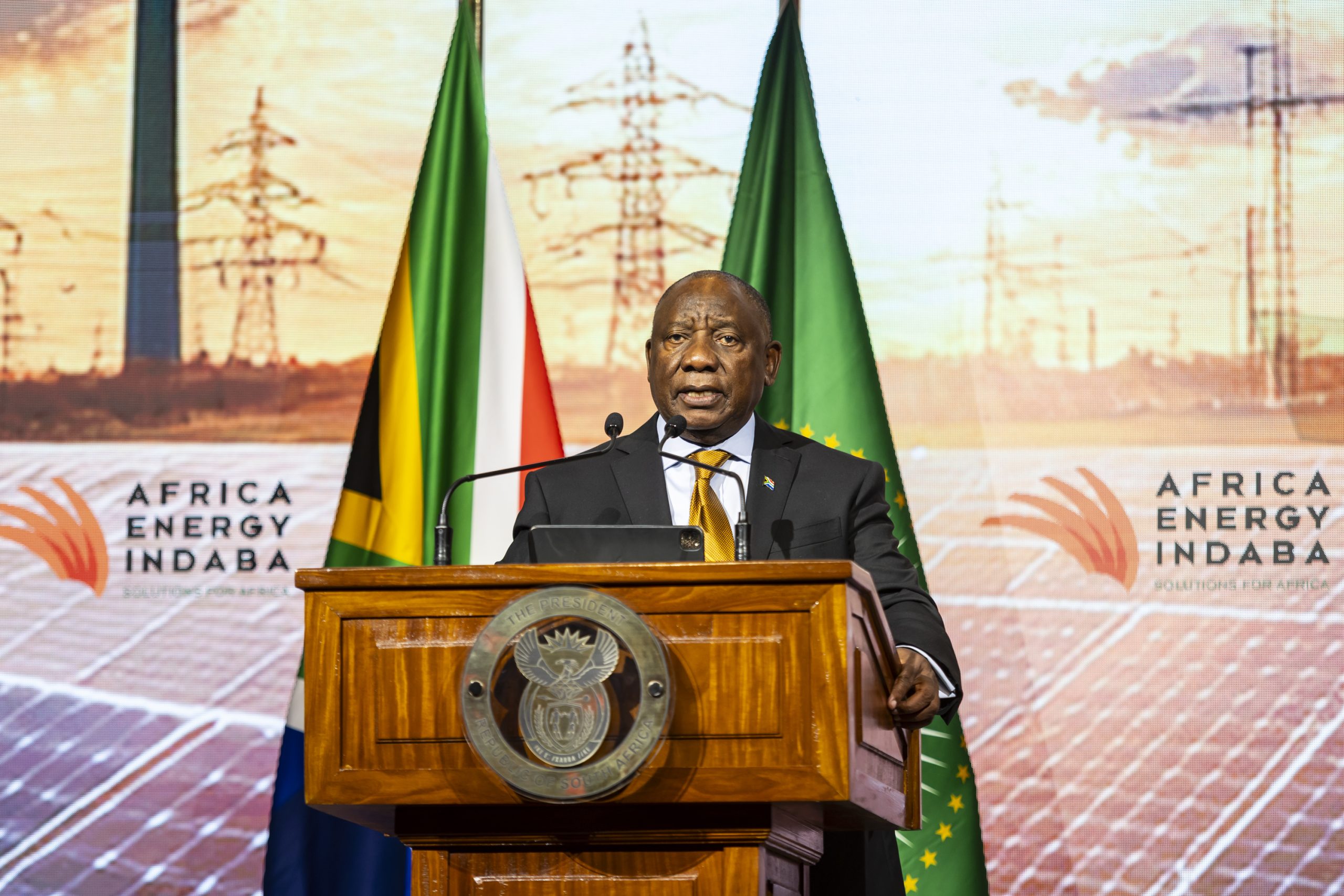
This critical issue will be explored in depth at the 2027 Africa Energy Indaba, taking place from 2–4 March 2027 at the Cape Town International Convention Centre (CTICC), where government leaders, utilities, investors, project developers and technology providers will examine how diversified energy portfolios can accelerate Africa’s journey towards universal electricity access while supporting economic growth.
Across Africa, countries face vastly different resource endowments, infrastructure constraints and economic realities. While some nations possess abundant hydropower potential, others are rich in natural gas or enjoy world-class solar and wind resources. Rather than pursuing one-size-fits-all energy solutions, governments are increasingly adopting integrated resource planning that leverages each country’s unique energy mix to deliver reliable and resilient electricity systems.
“Africa’s energy transition will not mirror that of Europe or North America,” says Liz Hart, Managing Director of the Africa Energy Indaba. “Our continent requires pragmatic, investment-driven solutions that balance affordability, reliability and sustainability. Multi-resource energy systems recognise that different technologies each have a role to play in achieving universal energy access while supporting industrialisation and economic development.”
Natural gas continues to play an increasingly important role as a transition fuel, providing flexible generation that complements intermittent renewable energy while reducing emissions compared with older coal-fired generation. At the same time, large-scale solar and wind projects are becoming more cost competitive across many African markets, while hydropower remains a cornerstone of electricity generation in several regions.
Existing thermal power stations also remain essential assets in many countries, particularly where they can be modernised, repowered or operated more efficiently to provide system stability during the transition.
The challenge for policymakers is no longer deciding between renewable energy or conventional generation. Instead, it is determining how these resources can operate together as an integrated system that delivers affordable electricity around the clock.
The Africa Energy Indaba will examine how countries can optimise generation portfolios through improved transmission infrastructure, regional power trading, energy storage, digital grid technologies and flexible generation that responds to changing electricity demand. Investment will be another major focus of discussion. Building integrated energy systems requires significant capital, not only for new generation capacity but also for transmission networks, grid modernisation, battery storage, gas infrastructure and regional interconnections.
Development finance institutions, commercial banks and private investors attending the Africa Energy Indaba will discuss innovative financing mechanisms that can accelerate deployment while reducing investment risk across African markets.
The conference will also highlight the importance of regional cooperation through Africa’s power pools, enabling countries to share generation resources across borders and improve overall system reliability. Greater interconnection allows nations to balance renewable generation across wider geographic areas while making better use of existing hydropower, gas-fired generation and reserve capacity.
Importantly, diversified energy strategies are also critical for Africa’s industrialisation ambitions. Reliable electricity remains one of the greatest barriers to manufacturing growth, mining expansion and economic competitiveness. Stable power supplies enable businesses to invest with confidence, improve productivity and create employment across multiple sectors of the economy.
As Africa seeks to implement ambitious initiatives such as Mission 300, expand electricity access and support the objectives of the African Continental Free Trade Area (AfCFTA), integrated energy planning will become increasingly important in ensuring that energy infrastructure supports long-term economic development.
The Africa Energy Indaba has long championed technology-neutral dialogue, recognising that Africa’s energy future requires collaboration rather than competition between technologies. By bringing together leaders from the renewable energy, natural gas, nuclear, transmission, storage, utility and investment sectors, the event provides a unique platform for developing practical solutions that reflect Africa’s diverse energy landscape.
As governments refine their integrated resource plans and investors seek bankable opportunities across the continent, the discussions at the 2027 Africa Energy Indaba are expected to help shape the policies, partnerships and investments that will define Africa’s next generation of energy infrastructure.
The future of African energy is not about choosing one technology over another it is about building intelligent, integrated energy systems that harness the continent’s abundant natural resources to deliver secure, affordable and sustainable electricity for generations to come.The Africa Energy Indaba will take place from 2–4 March 2027 at the Cape Town International Convention Centre, bringing together ministers, utilities, investors, regulators and industry leaders from across Africa and around the world to shape the continent’s energy future.