

South Africa’s ambition to become a leading supplier of critical minerals for the global energy transition is accelerating investment in lithium mining. However, as exploration and mining activities expand across parts of KwaZulu-Natal, the industry is increasingly facing resistance from farming communities concerned about the long-term impact on agriculture, water resources and rural livelihoods.
Lithium has become one of the world’s most sought-after battery minerals, driven by rising demand for electric vehicles, renewable energy storage systems and clean energy technologies. Recognising this opportunity, South Africa has identified critical minerals as a strategic growth sector capable of attracting investment, creating employment and strengthening the country’s mining industry.
Prospecting Activity Expands Across KwaZulu-Natal
Since 2023, more than a dozen lithium prospecting licences have reportedly been issued across South Africa’s south-eastern coastline, covering approximately 73,000 hectares. Much of the area overlaps productive agricultural land, including commercial and small-scale sugar cane farms, macadamia orchards and rural communities that depend heavily on farming and tourism.
Community organisations argue that widespread mining development could fundamentally change the character of the region, with concerns extending beyond land use to the future of local businesses, agricultural supply chains and employment.
The South Coast Guardians Association has warned that if all current prospecting applications ultimately progress to full mining operations, thousands of jobs linked to agriculture and tourism could be placed at risk.
Residents Voice Environmental Concerns
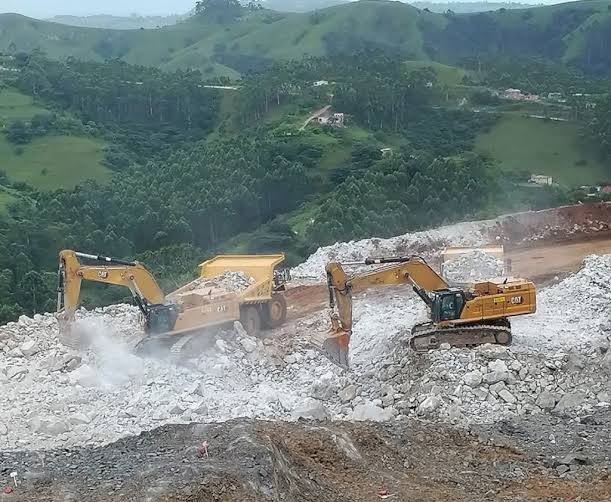
Communities located near existing lithium operations have raised concerns over blasting activities, dust emissions, noise and possible impacts on groundwater and soil quality. Several residents say they fear relocation and question whether replacement land offers the same agricultural potential as their current properties.
Environmental organisations have also questioned proposed mine expansion plans, arguing that sensitive ecosystems, rivers and water sources require comprehensive environmental assessment before additional mining approvals are granted. Recent objections submitted to provincial authorities cite concerns over biodiversity, water security and long-term land rehabilitation.
Mining Company Highlights Economic Benefits
SA Lithium maintains that its operations comply with South Africa’s environmental regulations and that significant measures have been implemented to minimise environmental impacts. According to the company, mine water is retained for processing and dust suppression rather than discharged into nearby rivers.
The company also states that its operations have generated more than 1,000 employment opportunities and that community relocations have been undertaken voluntarily with improved living conditions for affected households.
Balancing Critical Minerals with Sustainable Development
The debate reflects a broader challenge facing resource-rich nations worldwide: how to secure the critical minerals needed for the clean energy transition while protecting communities, agricultural production and natural ecosystems.
Although renewable energy technologies require minerals such as lithium, graphite, cobalt and rare earth elements, several studies indicate that clean energy systems generally require significantly less ongoing material extraction than fossil fuel-based energy production over their operational lifetimes. Nevertheless, mining projects must still address legitimate concerns surrounding land disturbance, water management and rehabilitation.
For South Africa, striking the right balance will be essential. The country possesses substantial critical mineral resources that could strengthen its position within global battery supply chains and support economic growth. At the same time, maintaining public confidence will depend on transparent environmental governance, meaningful stakeholder engagement and responsible mining practices.
Outlook for South Africa’s Critical Minerals Sector
As demand for battery minerals continues to grow, lithium exploration is expected to remain a priority for investors seeking exposure to the global energy transition.
The outcome of ongoing environmental reviews, community consultations and regulatory processes in KwaZulu-Natal is likely to influence not only the future of individual projects but also how South Africa approaches responsible critical mineral development in the years ahead.
For mining companies, investors and policymakers alike, the challenge is becoming increasingly clear: delivering the minerals needed for a low-carbon future while ensuring that economic development and environmental stewardship advance together.