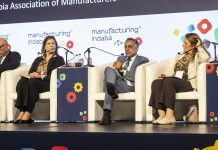

Johannesburg, South Africa – 18 March 2026: Africa stands at a pivotal moment in its economic development, with industrialisation increasingly recognised as a key driver of sustainable growth, job creation and economic resilience. The Manufacturing Indaba continues to play a vital role in advancing this agenda by bringing together policymakers, manufacturers, investors, technology providers and industry leaders committed to strengthening Africa’s manufacturing sector.
As Africa’s population surpasses 1.4 billion people, with a combined GDP of more than US$3.4 trillion, the continent represents one of the world’s most promising emerging markets. Yet manufacturing currently contributes only around 10–12% of Africa’s GDP, compared to more than 20% in many developed and emerging economies. This highlights the significant opportunity for African economies to expand their industrial base and unlock new value through manufacturing growth.
The Manufacturing Indaba serves as a critical platform to facilitate these discussions, focusing on practical strategies to accelerate industrialisation, strengthen supply chains and support the development of competitive manufacturing industries across the continent. By convening government leaders, private sector stakeholders and global investors, the event creates an environment where ideas, partnerships and investment opportunities can translate into real economic impact.
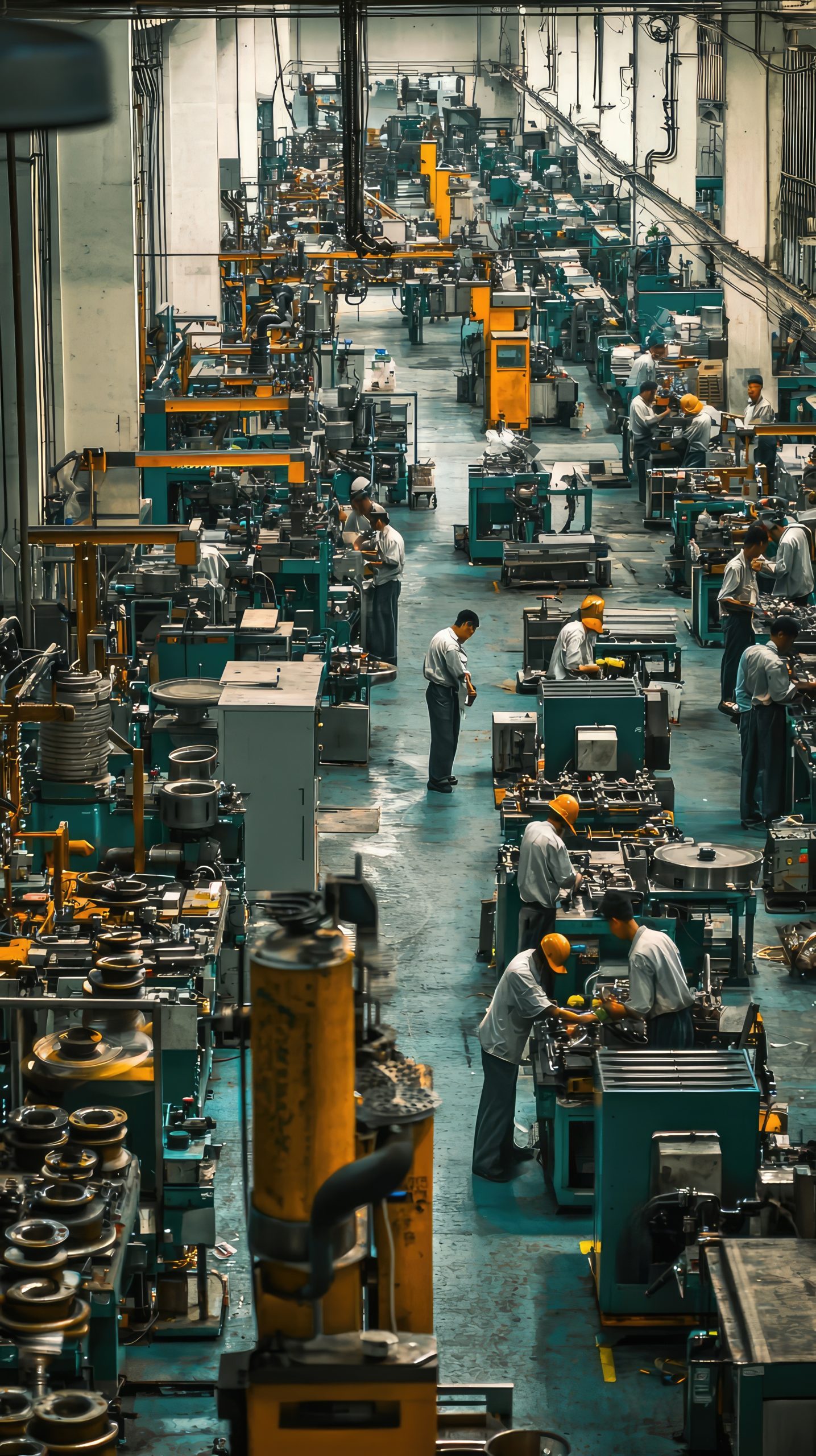
Industrialisation remains one of the most powerful tools available to African economies seeking to diversify away from dependence on raw commodity exports. For decades, many African countries have exported natural resources with limited value addition, missing out on the economic benefits that come from manufacturing and downstream industries. By expanding local manufacturing capacity and strengthening regional value chains, African economies can capture greater value from their resources while creating jobs and building more resilient economies.
The African Continental Free Trade Area (AfCFTA) presents a historic opportunity to accelerate this process. As the world’s largest free trade area by number of participating countries, AfCFTA creates a single market of more than 1.3 billion peoplewith the potential to significantly increase intra-African trade. Currently, trade within Africa accounts for only about 15% of total African trade, compared to around 60% in Europe and 40% in Asia. Strengthening manufacturing capacity and regional supply chains will be critical to unlocking the full benefits of this landmark agreement.
At the heart of the Manufacturing Indaba is a strong focus on enabling the development of Pan-African manufacturing value chains, where countries collaborate to produce goods and components across borders. This approach allows African economies to specialise in areas where they have competitive advantages while creating integrated regional production networks. Such collaboration can significantly improve efficiency, reduce costs and enhance Africa’s competitiveness in global markets.
Infrastructure development is another critical factor in supporting industrial growth across the continent. Reliable electricity supply, efficient transport networks, modern logistics systems and digital connectivity all play an essential role in enabling manufacturing industries to thrive. Across Africa, significant investment is required to strengthen energy systems, improve ports and transport corridors, and develop industrial zones that support manufacturing expansion.
Energy security in particular remains a central issue for manufacturers. Many African businesses face challenges related to unreliable electricity supply, which can significantly increase production costs and reduce competitiveness. Events such as the Manufacturing Indaba help bring together stakeholders from the energy and industrial sectors to identify solutions that support both industrial growth and energy development.
Another important theme within the manufacturing landscape is the growing importance of localisation and import substitution strategies. By strengthening local industries and encouraging domestic production of goods that were previously imported, African countries can improve economic resilience, create jobs and reduce dependence on external supply chains. Strategic sectors such as automotive manufacturing, agro-processing, pharmaceuticals, chemicals, metals and machinery offer significant opportunities for growth.
Africa also possesses a major advantage in the global transition toward clean energy technologies through its abundant reserves of critical minerals, including lithium, cobalt, manganese, platinum and rare earth elements. These minerals are essential for the production of batteries, renewable energy technologies and electric vehicles. Developing local manufacturing capabilities around these resources could allow African countries to move beyond raw material exports and participate more fully in global clean energy supply chains.
The Manufacturing Indaba provides a valuable platform for exploring these opportunities while encouraging collaboration between governments and the private sector. By facilitating dialogue between policymakers and industry leaders, the event helps identify practical steps needed to remove barriers to investment, strengthen industrial policy frameworks and promote innovation within the manufacturing sector.
In addition to its focus on policy and investment, the Manufacturing Indaba also highlights the importance of skills development and technological innovation in supporting Africa’s industrial future. The rapid evolution of manufacturing technologies, including automation, digital manufacturing and artificial intelligence, is transforming the global manufacturing landscape. Ensuring that Africa’s workforce is equipped with the necessary skills to adapt to these changes will be essential in building globally competitive industries.
Ultimately, the success of Africa’s industrialisation efforts will depend on strong partnerships between governments, businesses, investors and development institutions. Platforms such as the Manufacturing Indaba play a critical role in fostering these partnerships and creating the environment needed to drive long-term industrial growth.
As Africa continues to pursue its industrial development goals, the Manufacturing Indaba remains committed to supporting the continent’s journey toward a more diversified, resilient and competitive manufacturing sector. By bringing together the leaders and innovators shaping Africa’s industrial future, the event continues to serve as a catalyst for progress and a platform for advancing the continent’s manufacturing agenda.