
Tanzania is rapidly cementing its status as one of Africa’s most strategic graphite producers, as global demand for battery minerals continues to surge alongside the transition to electric vehicles (EVs) and renewable energy technologies.
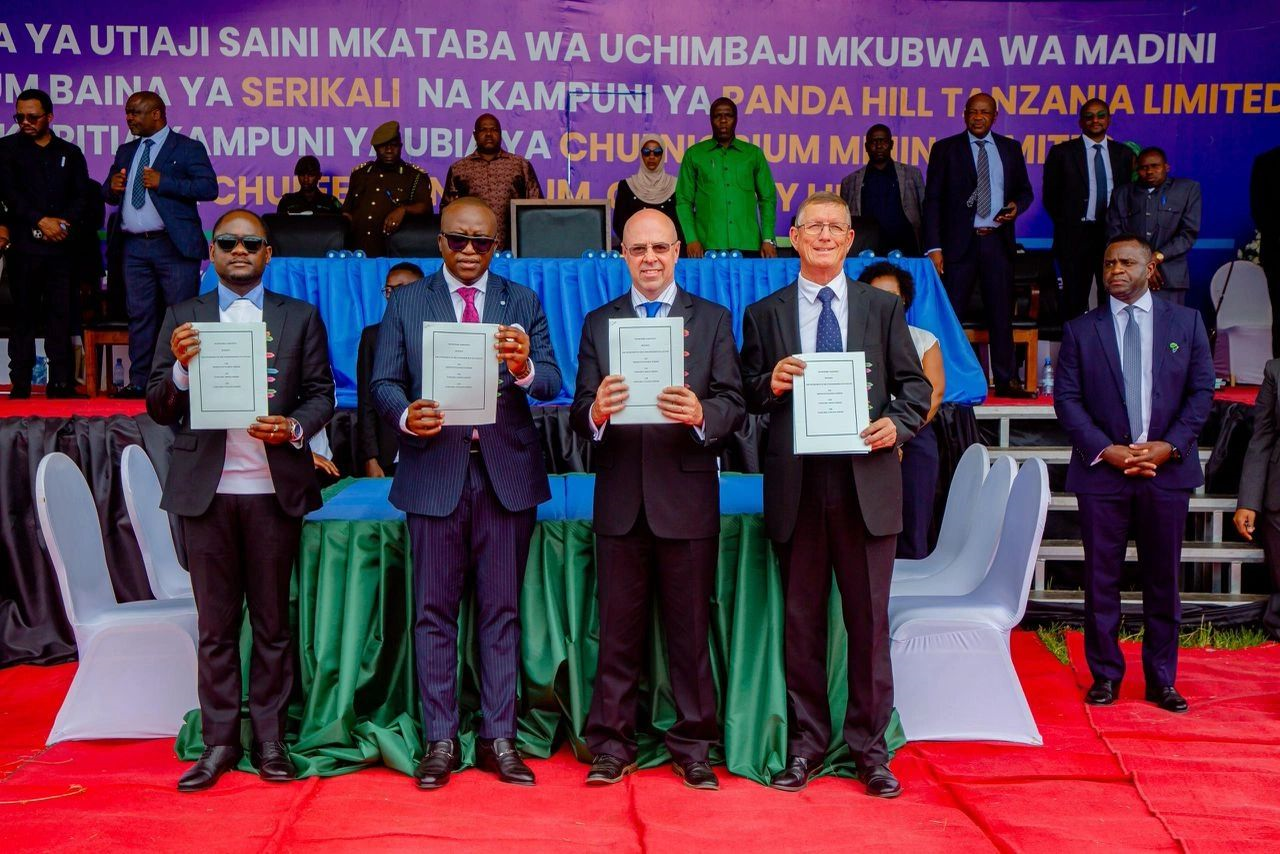
In a significant development for the country’s mining sector, the Government of Tanzania and Lindi Jumbo Limited have signed a landmark joint venture agreement for a large-scale graphite mining project in Ruangwa District, located in the Lindi Region. The project carries an estimated investment value exceeding USD 82 million and represents another major milestone in Tanzania’s ambitions to become a globally competitive supplier of critical minerals.
Lindi Jumbo Project to Boost Tanzania’s Graphite Output
The Lindi Jumbo graphite project is expected to produce approximately 40,000 tonnes of graphite annually over a projected mine life of more than 24 years. Beyond production targets, the project is anticipated to generate over 300 direct jobs while stimulating economic activity across supporting industries, logistics, infrastructure, and local communities.
As the world intensifies efforts to secure stable and diversified supply chains for battery materials, Tanzania’s graphite reserves are increasingly attracting international investor attention. Graphite remains one of the most critical raw materials used in lithium-ion batteries, particularly in EV battery anodes, making it essential to the future of clean mobility and energy storage systems.
Industry analysts note that while lithium often dominates headlines, graphite is equally indispensable to battery manufacturing. In fact, every lithium-ion battery requires significantly more graphite than lithium — a reality that is turning graphite-rich nations into strategic global players in the energy transition.
Tanzania Positions Itself as a Key Battery Minerals Supplier
Speaking during the signing ceremony, Tanzania’s Minister for Minerals, Anthony Mavunde, highlighted the government’s commitment to building a resilient and globally competitive graphite industry under the leadership of President Samia Suluhu Hassan.
According to Mavunde, Tanzania’s mining reforms, investor-friendly policies, and strategic management of mineral resources are helping create a more attractive environment for long-term mining investment and industrial development.
“Tanzania is not only developing its mineral resources but is also positioning itself strategically within the global clean energy value chain,” he said during the event.
The country is currently ranked among the world’s top graphite producers and is rapidly expanding its footprint through the development of approximately 30 licensed medium and large-scale graphite projects.
This growth trajectory signals a broader transformation within Tanzania’s mining sector, as the country seeks to diversify beyond traditional gold mining and unlock greater value from critical minerals including graphite, nickel, rare earth elements, and lithium-related opportunities.
Global EV Demand Driving Graphite Opportunities
The timing of Tanzania’s graphite expansion aligns closely with the accelerating global shift toward electric mobility and decarbonisation.
Automakers and battery manufacturers across Europe, China, and North America are aggressively seeking secure and sustainable sources of battery minerals to support future production targets. This has intensified competition for strategic minerals and increased the importance of emerging mining jurisdictions capable of supplying reliable volumes of graphite.
Africa is increasingly viewed as a crucial contributor to future mineral supply security, with Tanzania emerging as one of the continent’s standout graphite destinations due to its substantial reserves, improving regulatory environment, and expanding mining infrastructure.
For Tanzania, the opportunity extends far beyond raw mineral exports. The government has repeatedly emphasised the importance of local beneficiation, industrialisation, technology transfer, and value addition as part of its long-term mining strategy.
Mining Investment Expected to Deliver Long-Term Economic Benefits
The Lindi Jumbo agreement also reflects growing confidence from international investors in Tanzania’s mining sector reforms and economic outlook.
Officials believe projects of this nature can play a transformative role in creating employment, increasing export revenues, supporting regional development, and strengthening the country’s industrial economy.
As critical minerals become increasingly central to the future global economy, Tanzania is positioning itself not merely as a resource-rich nation, but as a strategic participant in the evolving clean energy ecosystem.
With global demand for battery materials expected to rise sharply over the next decade, Tanzania’s graphite sector could become one of the country’s most important engines for sustainable economic growth and industrial advancement.
Tanzania’s Critical Minerals Moment
The rise of Tanzania’s graphite industry underscores a broader shift taking place across Africa’s mining landscape, where countries are increasingly leveraging critical mineral resources to secure stronger positions within global manufacturing and energy supply chains.
For Tanzania, the message is becoming increasingly clear: the country is no longer simply exporting minerals, it is building the foundations of a strategic critical minerals economy capable of powering the technologies of the future.
As the global clean energy race accelerates, Tanzania’s graphite sector may well prove to be one of Africa’s most important success stories in the decade ahead.