

Cape Town, South Africa: 20 January 2026 — Energy is the lifeblood of modern economies, and for Africa, it is a decisive factor in shaping the continent’s infrastructure development, economic growth, and industrialisation. From roads and rail networks to urban centres and industrial hubs, reliable and sustainable energy is essential for powering the infrastructure that underpins development across the continent.
Africa faces an unprecedented opportunity. With rapid urbanisation, population growth, and expanding industrial demand, the need for integrated, reliable, and scalable energy systems has never been more urgent. Infrastructure projects—from transportation corridors to industrial parks—cannot reach their full potential without a robust energy backbone. Energy enables construction, supports digital infrastructure, fuels industrialisation, and sustains cities, making it an indispensable enabler of the continent’s long-term development goals.
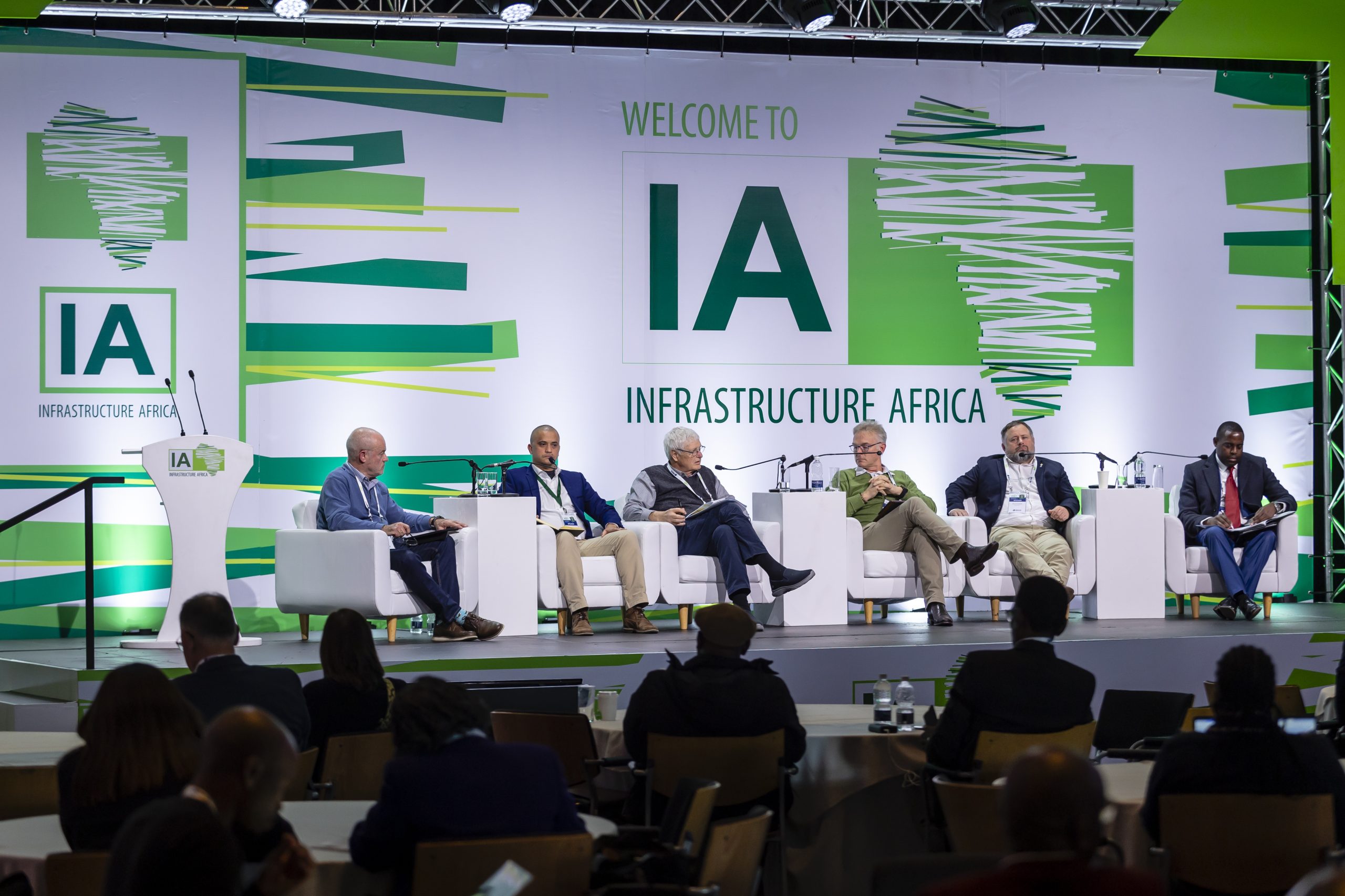
Infrastructure Africa, taking place from 2-3 March 2026 in Cape Town, provides a strategic platform to explore how energy investments can accelerate Africa’s infrastructure agenda. The event brings together governments, regulators, utilities, private sector developers, financiers, and technology providers to discuss the integration of energy planning into infrastructure development. By aligning energy availability with infrastructure projects, Africa can unlock efficiencies, reduce project risks, and attract private capital for long-term, sustainable growth.
Renewable energy and distributed generation are increasingly central to infrastructure planning. Solar, wind, hydro, and gas-to-power solutions not only provide low-carbon alternatives but also enhance energy security for remote regions and industrial zones. Integrating renewables into urban development projects and industrial parks ensures reliable power supply, reduces operational costs, and supports green and inclusive growth.
Furthermore, the business forum highlights the importance of financing mechanisms, public-private partnerships, and regional collaboration. Development finance institutions, banks, and private investors are actively seeking bankable energy projects linked to infrastructure, creating opportunities for cross-sector partnerships. By convening decision-makers and technical experts, Infrastructure Africa fosters actionable insights that translate into real-world infrastructure and energy projects.
As Africa embarks on an ambitious development trajectory, energy remains the cornerstone of infrastructure success. The continent’s ability to deliver roads, transport networks, industrial hubs, and urban centres is directly linked to energy reliability, affordability, and sustainability. Infrastructure Africa 2026 offers a forum to strategise, connect, and collaborate, ensuring that energy investment drives Africa’s infrastructure and economic transformation.