By Alouis Mazviyo, Business Development Manager at AMER
A Defining Moment for Zimbabwe Gold Mining
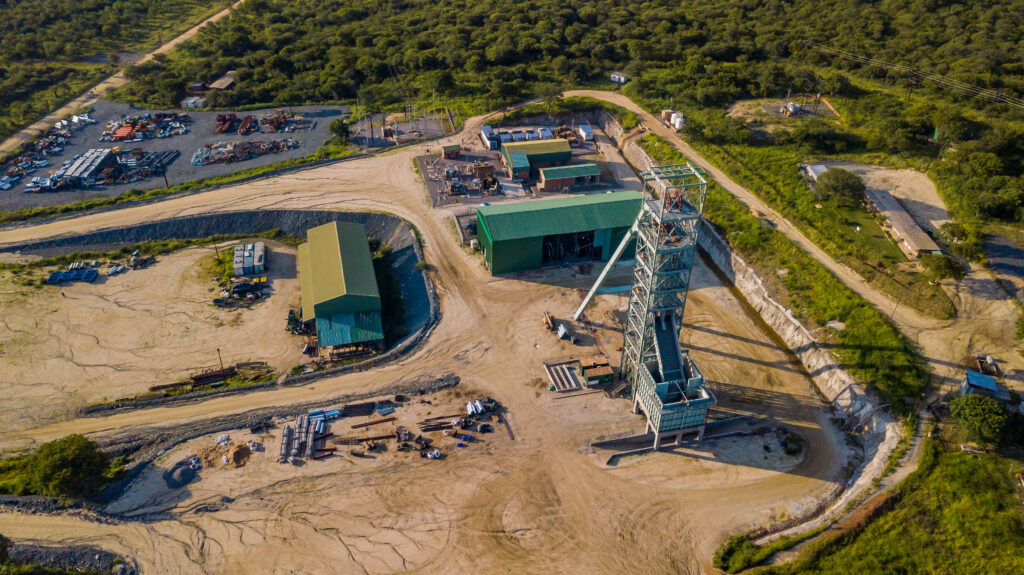
Zimbabwe’s gold mining sector is entering what could become one of its most important growth phases in over two decades, driven by Caledonia Mining Corporation’s decision to invest US$132 million into the development of the Bilboes Gold Project. Once fully operational, Bilboes is expected to become the largest gold mine in Zimbabwe, with annual production forecast at approximately 200,000 ounces of gold.
For a country where gold remains the single largest foreign currency earner, the implications of this project extend far beyond Caledonia’s balance sheet. Bilboes represents a strategic inflection point for Zimbabwe’s mining industry — one that could reposition the country as a serious competitor among Africa’s leading gold producers.
Why Bilboes Matters to Zimbabwe’s Mining Economy
Zimbabwe has long been recognised for its geological potential, particularly within its prolific greenstone belts. Yet despite this, production has historically lagged behind peers such as Ghana, Tanzania, and South Africa, largely due to policy uncertainty, capital shortages, and ageing infrastructure.
The Bilboes project changes this narrative.
With a total capital cost estimated at US$584 million, Bilboes stands as one of the most capital-intensive greenfield mining developments currently underway in Southern Africa. It signals that Zimbabwe is no longer viewed solely as a high-risk jurisdiction, but increasingly as a viable destination for long-term mining investment.
From a macroeconomic perspective, the project could:
- Increase Zimbabwe’s annual gold output significantly
- Stabilise export revenues
- Improve balance of payments through sustained gold inflows
- Attract further foreign direct investment (FDI) into mining and infrastructure
For policymakers, Bilboes is a validation of efforts to reposition mining as the cornerstone of Zimbabwe’s economic recovery strategy.
Investor Confidence and Policy Recalibration
One of the most notable aspects of Caledonia’s decision is the timing. The investment follows recent adjustments by the Zimbabwean government, including the reversal of planned sharp royalty increases and revisions to capital expenditure tax thresholds.
These moves were widely interpreted by the mining industry as a recalibration toward a more investment-friendly fiscal regime. For project developers, such stability is critical, particularly for capital-heavy operations like Bilboes that require long payback periods.
Caledonia’s commitment sends a strong message to global mining investors: Zimbabwe is once again open for serious mining business.
If sustained, this policy direction could unlock a wave of exploration spending across gold, lithium, platinum group metals (PGMs), and base metals — positioning Zimbabwe as one of Africa’s fastest-reviving mining jurisdictions.
Implications for Contractors
Beyond the gold itself, Bilboes represents a major opportunity for Africa’s mining and engineering ecosystem.
The development phase will require:
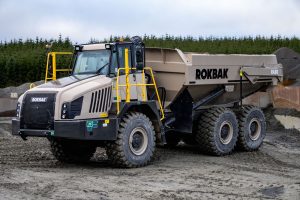
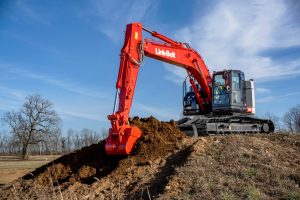
- Large-scale civil works and earthmoving
- Processing plant construction and installation
- Tailings and water management infrastructure
- Power supply solutions
- Transport and logistics upgrades
For local and regional contractors, this creates a pipeline of work across multiple disciplines. Zimbabwean and Southern African engineering firms, EPC contractors, equipment suppliers, and maintenance providers stand to benefit significantly if local content frameworks are effectively implemented.
This also aligns with broader continental objectives to deepen African participation in mining value chains, moving beyond raw mineral extraction toward skills development, technology transfer, and industrialisation.
A Boost for Zimbabwe’s Infrastructure Landscape
Large-scale mining projects rarely operate in isolation. Bilboes will necessitate improvements in:
- Road and rail access
- Power reliability
- Water supply systems
- Digital connectivity for mine automation and monitoring
These infrastructure upgrades will not only serve the mine but also surrounding communities and businesses, creating secondary economic benefits. For infrastructure developers and financiers, mining-linked infrastructure remains one of the most bankable segments of African project development.
Regional Impact: Redrawing the Southern African Gold Map
At a projected production of around 200,000 ounces per year, Bilboes will place Zimbabwe firmly among the most significant gold producers in Southern Africa.
This challenges long-held assumptions that South Africa alone dominates the region’s gold narrative. Instead, it highlights a broader shift where countries like Zimbabwe, Tanzania, and Zambia are emerging as the next frontier for African gold mining growth.
The rise of mid-tier mining companies such as Caledonia is also noteworthy. These firms often operate with greater agility than mining majors, enabling faster project development and more targeted capital deployment across Africa.
Gold Prices and the Global Context
Caledonia’s investment coincides with sustained strength in global gold prices, driven by geopolitical uncertainty, inflation concerns, and central bank demand.
For African producers, this macroeconomic environment is highly supportive:
- Higher margins improve project bankability
- Access to project finance becomes easier
- Governments benefit from increased royalty revenues without raising rates
This creates a rare alignment where investors, governments, and mining companies can all benefit — provided policy stability is maintained.
Community, ESG and Social Licence to Operate
As Africa’s mining industry matures, environmental, social, and governance (ESG) considerations are no longer optional.
For Bilboes, long-term success will depend on:
- Responsible environmental management
- Transparent community engagement
- Skills development and local employment
- Ethical supply chains and compliance with international standards
If implemented effectively, Bilboes could become a model for modern, responsible gold mining in Africa, reinforcing Zimbabwe’s credibility in global capital markets.
A Catalyst for Exploration and New Projects
Perhaps the most important long-term impact of Bilboes is psychological.
Major projects change perceptions.
Once capital flows successfully into one flagship development, it tends to unlock further exploration and project financing. Zimbabwe’s underexplored greenstone belts could attract renewed interest from junior explorers and mid-tier miners seeking the next major discovery.
This multiplier effect is what transforms a single project into a sector-wide revival.
Conclusion: More Than a Mine
The Bilboes Gold Project is more than Zimbabwe’s future largest gold mine — it is a strategic signal that the country’s mining sector is repositioning itself on the African and global stage.
For investors, engineers, contractors, and policymakers, Bilboes represents:
- Renewed confidence in Zimbabwe mining
- A growth platform for African mining engineering
- A benchmark for responsible, large-scale gold mining
- And a catalyst for wider sector transformation
If successfully executed, Caledonia’s US$132 million investment may well be remembered as the moment Zimbabwe’s gold industry began its modern resurgence.