AfriSam is extending the impact of its carbon management strategy beyond its own operations by investing in verified local carbon offset projects that combine greenhouse gas reductions with tangible environmental and socioeconomic benefits.
As part of this approach, the construction materials company partnered with The African Stove Company (TASC) to purchase carbon offsets for its 2025 carbon tax year. AfriSam has also signed an offtake agreement for carbon offsets covering the next phase of South Africa’s Carbon Tax from 2026 to 2030.
According to Marieta Buckle, Process Technology Manager at AfriSam, the initiative demonstrates how a regulatory mechanism such as carbon offsets can be used to support projects that generate broader and measurable benefits.

“Reducing the carbon impact associated with our operations remains an important focus for AfriSam, and verified carbon offsets provide us with an opportunity to complement these efforts by supporting credible South African projects,” Buckle says. “Importantly, the value extends beyond carbon reduction as these projects can improve people’s everyday lives while also delivering meaningful environmental benefits.”
South Africa introduced its Carbon Tax in 2019 and AfriSam has been paying tax on its greenhouse gas (GHG) emissions since its implementation. The legislation allows qualifying carbon offsets generated by approved projects to be used to reduce a portion of a company’s carbon tax liability.
To qualify, carbon offset projects must deliver measurable and verifiable greenhouse gas reductions and comply with the requirements of recognised standards. Projects used within the South African Carbon Tax framework must also meet the applicable local eligibility requirements.
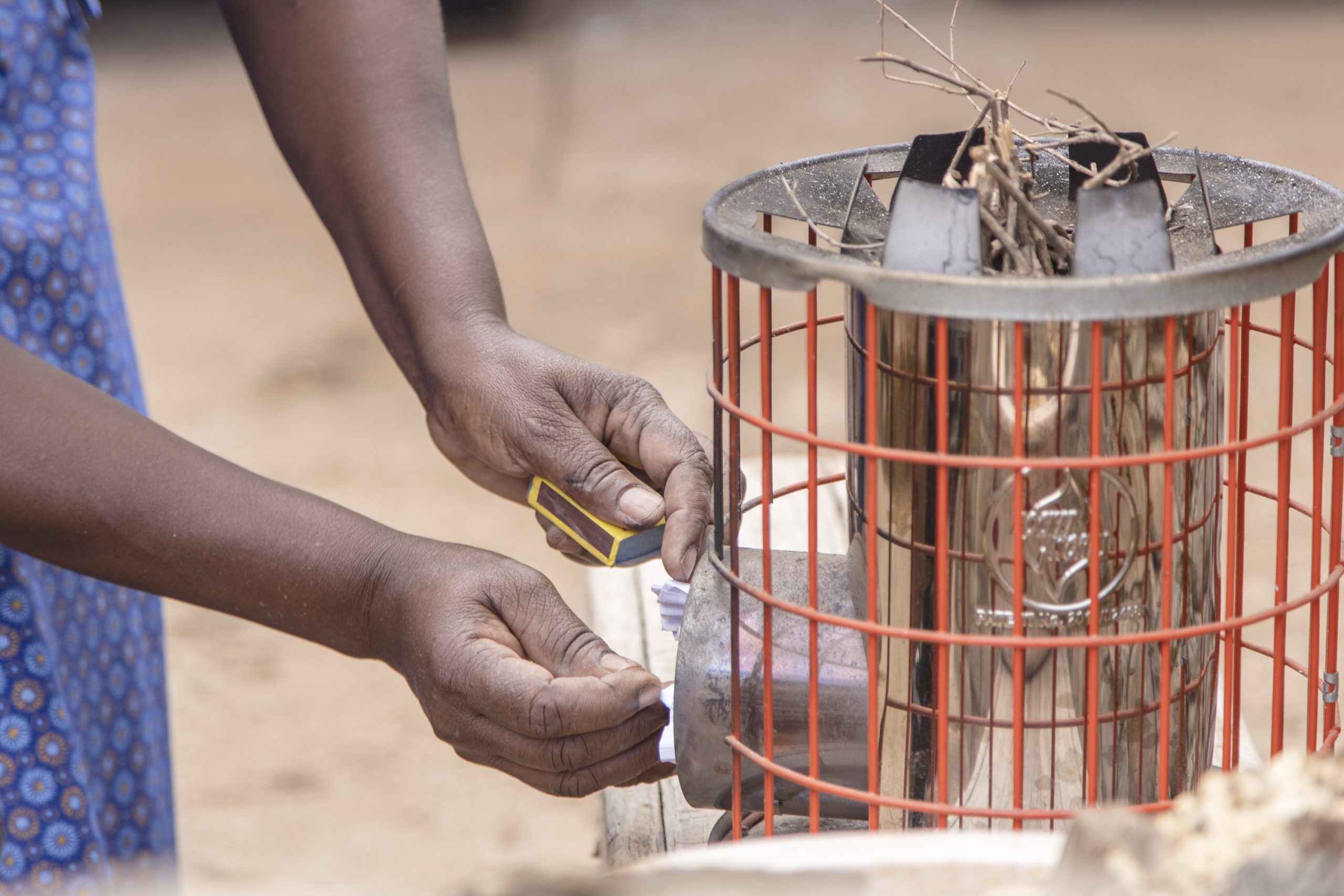
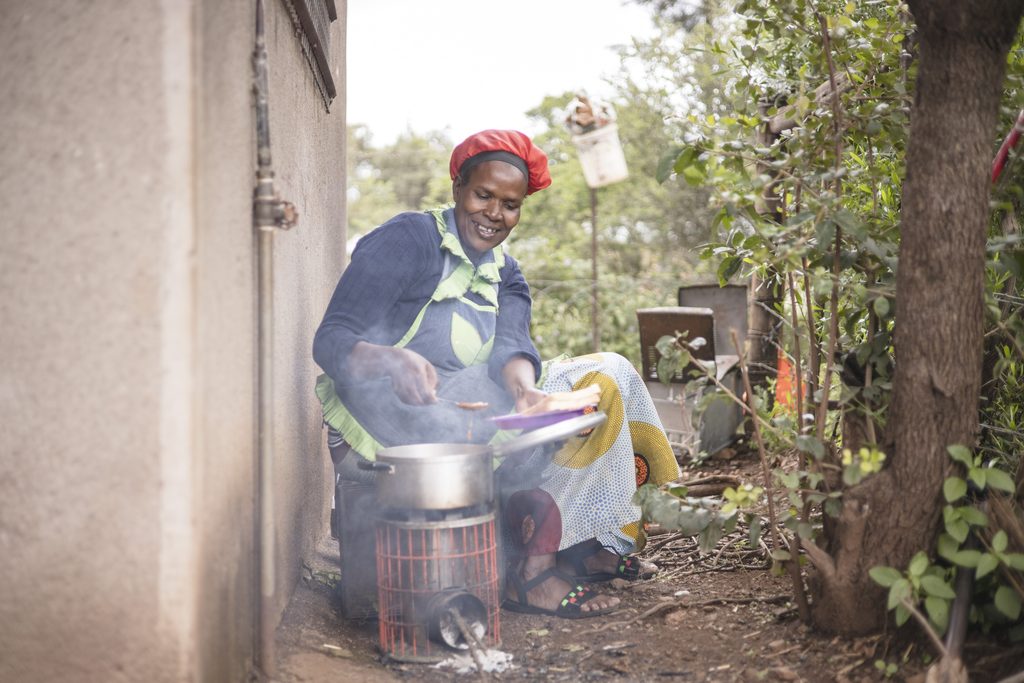
The offsets purchased by AfriSam for the 2025 tax year were generated through a TASC project distributing energy-efficient cookstoves to low-income communities. AfriSam purchased 112,000 tonnes of carbon credits helping finance the rollout of cleaner and more efficient cooking technology to thousands of households.
The need for cleaner cooking solutions remains significant. More than 700 million people across Africa still rely on wood or charcoal for cooking, often using traditional open fires that burn fuel inefficiently and generate harmful household air pollution.
TASC has distributed more than 940,000 improved cookstoves across the Kruger, Waterberg and Vhembe regions of South Africa. Replacing a traditional open cooking fire with a Rocket Works Zama Zama stove can reduce wood consumption by approximately 60% and carbon dioxide emissions by up to five tonnes per household annually.
The more efficient combustion process also reduces smoke by an estimated 50%, lowering household exposure to harmful air pollution. This is particularly important for women and children, who are typically most exposed to smoke generated by household cooking fires.
The carbon offsets purchased by AfriSam have supported a 112,000 tonne reduction in greenhouse gas emissions, while 27,695 households have received and used the energy-efficient cookstoves. An estimated 116,319 people are benefiting from cleaner cooking, reduced exposure to household air pollution and a lower burden associated with collecting cooking fuel.
There is also a substantial reduction in wood consumption. Each household using an efficient stove saves approximately 2.93 tonnes of firewood annually, resulting in an estimated 81,146 tonnes of wood being saved across the households associated with AfriSam’s carbon credits.
“These figures demonstrate the multiplier effect that can be achieved when carbon investment is directed into well-managed and independently verified projects,” Buckle says. “The carbon reduction is measurable, but so too are benefits such as reduced wood consumption, cleaner household air and less time and effort spent collecting firewood.”
Reducing wood consumption also eases pressure on natural resources and lowers greenhouse gas emissions associated with unsustainable biomass harvesting.
AfriSam’s longer-term offtake agreement with TASC will provide further support for the development and expansion of qualifying carbon offset projects. This includes a project aimed at restoring grasslands through improved livestock and land management practices.
While purchasing eligible offsets reduces AfriSam’s direct Carbon Tax liability, Buckle says the company sees considerably wider value in directing this expenditure towards credible local initiatives.
“Carbon offsets should not simply be viewed as a tax mechanism,” she says. “When they are supported by rigorous verification and deliver genuine additional carbon reductions, they provide an opportunity for investment to contribute simultaneously to environmental protection, community wellbeing and sustainable economic activity.” For AfriSam, the initiative forms part of its broader focus on managing and reducing its carbon impact while supporting practical interventions that contribute towards a lower-carbon and more sustainable future.