

The European Union has launched its first investment roadshow in South Africa, marking a significant step toward strengthening cooperation on critical minerals and clean energy supply chains. The initiative is aimed at unlocking a share of the €12 billion investment package pledged under the EU–South Africa Clean Trade and Investment Partnership (CTIP), signed in 2025.
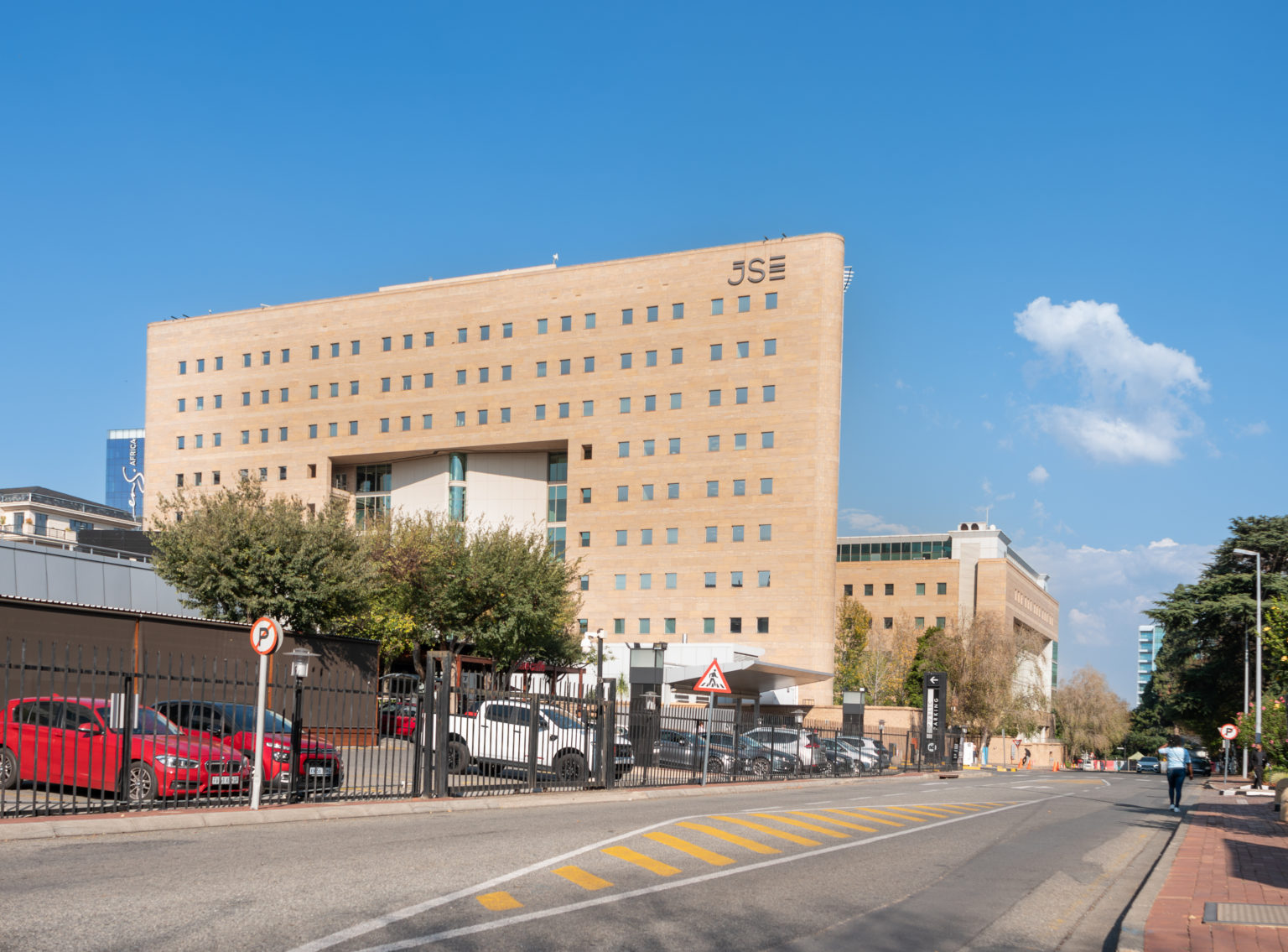
Hosted at the Johannesburg Stock Exchange, the roadshow brought together approximately 200 companies, investors, policymakers and industry stakeholders eager to explore opportunities linked to South Africa’s vast mineral resources and growing green economy. The programme forms part of a broader effort by the EU to diversify its supply chains and secure access to critical minerals required for renewable energy technologies, advanced manufacturing, defence systems and artificial intelligence applications.
South Africa has made it clear that future mineral partnerships must deliver more than raw material exports. Government officials have emphasised the importance of beneficiation, local processing and industrial development as key conditions for foreign investment in the country’s mineral sector. The strategy aligns with a broader continental push to capture greater value from Africa’s natural resources and create sustainable industrial growth.
Speaking during the event, South Africa’s Minister of Trade, Industry and Competition, Parks Tau, reiterated the country’s commitment to building domestic industries around its mineral wealth. The government aims to leverage international investment to stimulate manufacturing, create jobs and strengthen downstream value chains rather than continuing the traditional model of exporting unprocessed resources.
The roadshow comes at a time when competition for critical minerals is intensifying globally. Governments and companies are increasingly seeking reliable sources of minerals such as platinum group metals, manganese, vanadium and rare earth elements, which are essential for the energy transition and emerging technologies. The EU views South Africa as a strategic partner in building resilient and sustainable supply chains while reducing dependency on concentrated sources of supply.
Several projects have already emerged under the partnership framework. These include a €600 million financing package aimed at supporting renewable energy infrastructure capable of generating 1,200 MW of clean power, as well as a €1.48 billion facility intended to modernise South Africa’s rail and port infrastructure through state-owned logistics company Transnet. These investments are expected to improve energy security, enhance export capacity and support the country’s industrial development ambitions.
The EU remains South Africa’s largest trade and investment partner, with bilateral trade reaching approximately €46 billion in 2025. More than 1,700 European companies currently operate in South Africa, accounting for a substantial share of the country’s foreign direct investment. The latest roadshow signals a shift from traditional development assistance toward investment-led partnerships focused on mutual economic growth, industrialisation and sustainable resource development.
As the roadshow continues in Johannesburg, Cape Town and Durban, both South Africa and the European Union hope to translate investment commitments into concrete projects that will strengthen mineral value chains, accelerate the clean energy transition and unlock new economic opportunities across the region.