


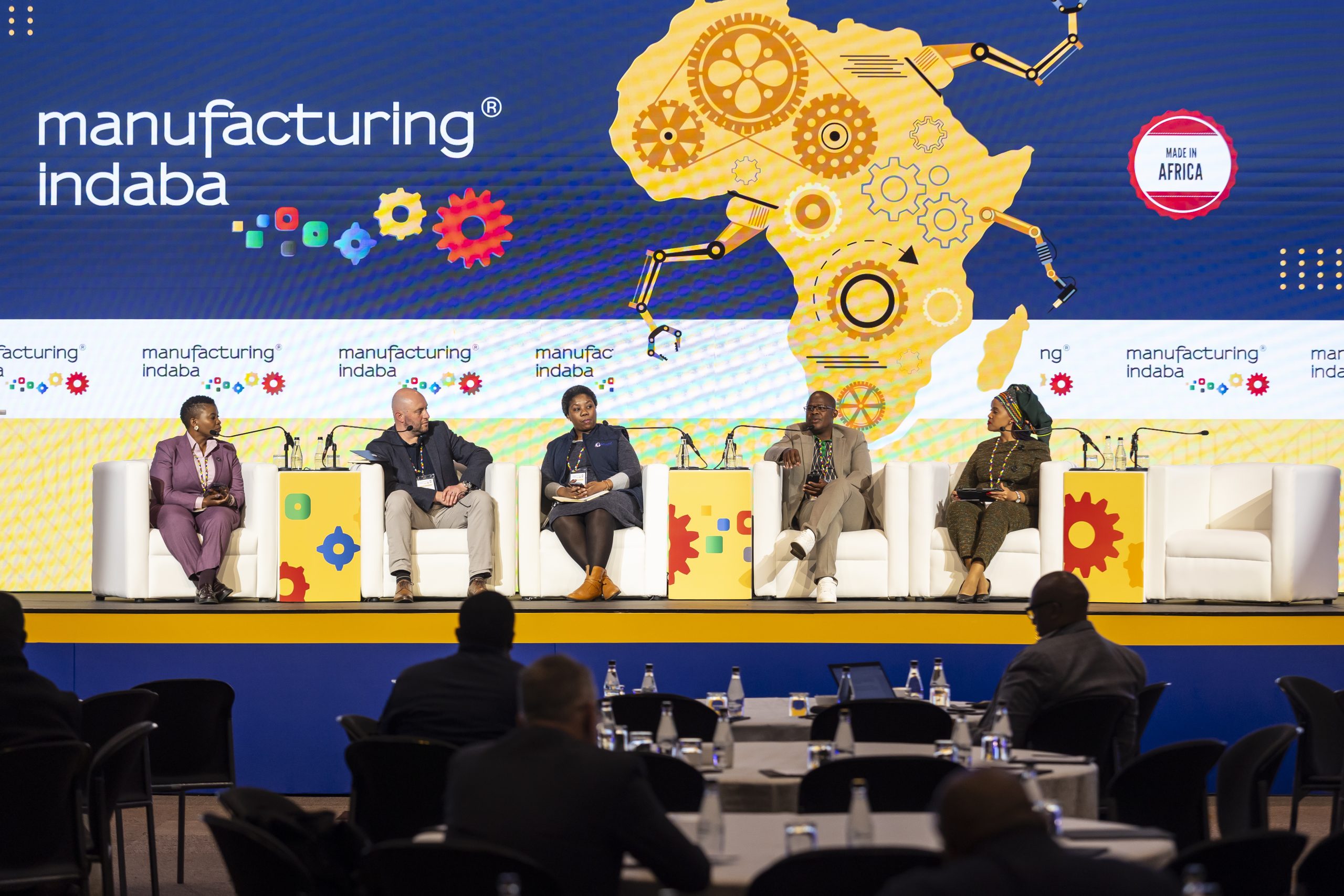
Johannesburg, South Africa – 10 April 2026: As Africa accelerates its industrialisation agenda, access to finance remains one of the most critical enablers of manufacturing growth across the continent. The Manufacturing Indaba will shine a spotlight on this imperative, bringing together financiers, policymakers, manufacturers and technology providers to unlock the capital needed to drive the sector forward.
Manufacturing is widely recognised as a cornerstone of economic development, job creation and intra-African trade under the African Continental Free Trade Area (AfCFTA). However, despite its importance, many manufacturers continue to face significant barriers when it comes to securing funding — particularly for expansion, modernisation and the adoption of advanced technologies.
The upcoming Manufacturing Indaba taking place from the 14 – 15 July 2026 in Johannesburg, South Africa, will address these challenges head-on, with a dedicated focus on financing mechanisms that support automation, localisation and industrial competitiveness. Discussions will centre on how to bridge the gap between capital availability and the practical needs of manufacturers operating in a dynamic and often constrained environment.
“Africa’s manufacturing sector cannot grow without access to the right types of finance,” says Liz Hart, Managing Director of the Manufacturing Indaba. “From upgrading machinery and adopting automation, to improving energy efficiency and expanding production capacity, funding is the key unlock. The Manufacturing Indaba provides a platform to connect manufacturers with the institutions and solutions that can make this possible.”
The event will explore a range of financing models, including development finance, blended finance structures, asset-based lending and private sector investment. Particular emphasis will be placed on enabling small and medium-sized manufacturers, who often face the greatest challenges in accessing capital despite being vital contributors to industrial growth. In addition, the role of finance in supporting technology adoption will be a key theme. As manufacturers increasingly look to automation, digitalisation and Industry 4.0 solutions to improve productivity and reduce costs, innovative financing models are becoming essential. These include leasing arrangements, performance-based contracts and energy efficiency funding mechanisms that reduce upfront capital requirements.
The Indaba will also highlight the importance of aligning financial instruments with industrial policy. Governments, development finance institutions and commercial banks all have a role to play in creating an enabling environment that supports long-term investment in manufacturing. This includes incentives, risk-sharing mechanisms and targeted funding programmes that encourage localisation and strengthen regional value chains.
With ongoing global supply chain disruptions and rising input costs placing pressure on manufacturers, the need for resilient, locally driven production has never been greater. Financing plays a central role in enabling this transition — allowing businesses to diversify suppliers, invest in local inputs and build more sustainable operations.
Delegates attending the Manufacturing Indaba will benefit from direct engagement with leading financial institutions, investors and industry experts, gaining insight into practical funding solutions and opportunities. The event also facilitates meaningful connections between manufacturers and capital providers, creating pathways for real deals and partnerships.
As Africa looks to position itself as a competitive global manufacturing hub, unlocking finance will be a defining factor in determining the pace and scale of growth. The Manufacturing Indaba continues to serve as a critical platform for advancing these conversations and driving actionable outcomes. Industry stakeholders are encouraged to participate and be part of shaping a more resilient, competitive and well-financed manufacturing future for Africa.