

Dodoma | January 19, 2026
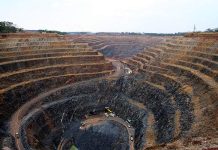
Tanzania is fast-tracking a new chapter in its mining sector, with the Government unveiling significant investments in the Geological Survey of Tanzania (GST) aimed at unlocking vast mineral potential and positioning the country as a regional powerhouse for geological services in Africa.
Government Drives Mining Sector Modernisation
President Samia Suluhu Hassan has reaffirmed her administration’s commitment to strengthening the mining industry through science, technology, and data-driven exploration. Central to this vision is a comprehensive upgrade of GST infrastructure and capabilities, designed to support sustainable mining growth and attract long-term investment.
Key initiatives include the construction of state-of-the-art geological laboratories in Dodoma, Geita, and Chunya, alongside the final stages of procuring a specialised geological survey helicopter. These developments form part of an ambitious national plan to expand mineral exploration coverage from 16% to 50% of Tanzania’s land area.
International partnerships with Finland and South Korea’s KIGAM Institute will further enhance GST’s technical capacity and global competitiveness.
A Turning Point for Tanzania’s Resource Economy
Addressing the Parliamentary Standing Committee on Energy and Minerals, Minister for Minerals Hon. Anthony Mavunde described the current investment drive as a defining moment for the country’s extractive sector.
“The leadership environment created by President Samia Suluhu Hassan provides a strong foundation for decisive action. Robust geological research is fundamental to attracting investment and ensuring sustainable growth in mining,” he said.
GST’s work has already delivered substantial progress, with several national surveys either completed or well advanced:
- Geological Mapping: 97% complete
- Low-Resolution Airborne Survey: 100% complete
- High-Resolution Airborne Survey: 16% complete
- Geochemical Survey: 24% complete
These datasets have historically underpinned the discovery of many of Tanzania’s major mining operations and continue to serve as a key drawcard for international exploration companies.
Technology Unlocking New Opportunities
A major game-changer is the planned acquisition of a dedicated survey helicopter, which will significantly expand exploration reach, improve data accuracy, and provide vital support to small-scale miners, a segment often constrained by limited access to geological information.
In parallel, the new laboratories will elevate Tanzania’s mineral testing and research capabilities, reducing dependence on overseas facilities while positioning the country as a continental centre for geological analysis and innovation.
Benefits Beyond the Mining Sector
The expanded geological data programme is expected to generate value far beyond mining. Applications include:
- Identification of fertile agricultural soils
- Groundwater resource mapping
- Locally sourced raw materials for fertiliser production
- Improved infrastructure planning and environmental management
This integrated approach aligns with Tanzania’s broader economic transformation and industrialisation agenda.
Developing World-Class Expertise
Deputy Minister for Minerals Hon. Steven Kiruswa emphasised that infrastructure investments must be matched by skills development. Ongoing collaboration with international partners will ensure GST personnel are trained to global standards, reinforcing the institution’s role as a centre of excellence.
Ensuring Transparency and Public Benefit
Reaffirming the Government’s commitment to accountability, TEITI Executive Secretary Marium Mgaya highlighted continued efforts to ensure transparency in mineral, oil, and gas revenues. Under the TEITA Act of 2015, extractive sector income is closely monitored to ensure it delivers tangible benefits to Tanzanian citizens.