As industrial facilities become increasingly automated and electrically complex, power quality is emerging as one of the most important factors influencing operational reliability, equipment lifespan and energy efficiency. While much attention is often focused on ensuring a continuous power supply, the quality of that power is equally critical in determining how effectively electrical infrastructure performs.
David Claassen, Managing Director of Trafo Power Solutions, says many operations continue to underestimate the cumulative impact that poor power quality can have across an entire plant.
“Reliable electricity is about far more than simply keeping the lights on. Voltage stability, harmonic distortion, phase balance and transient events all influence how efficiently electrical equipment operates. Poor power quality can silently reduce equipment life, increase maintenance costs and cause unnecessary production interruptions,” Claassen explains.

Modern industrial facilities typically operate a wide range of sophisticated electrical equipment including variable speed drives (VSDs), programmable logic controllers (PLCs), automation systems, high efficiency motors, switchgear and sensitive electronic controls. While these technologies improve productivity and energy efficiency, they are also significantly more sensitive to fluctuations in power quality than conventional equipment.
Voltage sags, swells and short-duration interruptions can cause drives to trip, PLCs to reset and automated production lines to stop unexpectedly. Even brief disturbances lasting only milliseconds may result in costly downtime, product losses and lengthy restart procedures in continuous process industries.
Equally problematic are harmonic distortions generated by non-linear electrical loads such as VSDs, rectifiers, UPS systems and renewable energy inverters. These harmonics distort the normal sinusoidal waveform of the electrical supply, increasing heat generation within transformers, motors and cables while reducing overall system efficiency.

Excessive harmonic currents can accelerate insulation ageing, overload neutral conductors, increase transformer losses and interfere with the operation of protective relays and communication equipment. Over time, these effects contribute to higher maintenance costs and premature equipment replacement.
Power factor also plays an important role in overall power quality. Poor power factor forces electrical networks to carry higher currents than necessary, increasing losses throughout the distribution system and reducing available network capacity. Correctly engineered transformer systems form an important part of an integrated approach to maintaining stable voltage profiles and supporting efficient power factor correction.
Claassen notes that transformer selection should never be based solely on voltage conversion requirements. “A transformer is a critical component of the entire electrical network. Its impedance, insulation system, thermal design, short-circuit withstand capability and efficiency all influence how the network performs under varying operating conditions. A properly engineered transformer contributes directly to network stability and long-term reliability.”

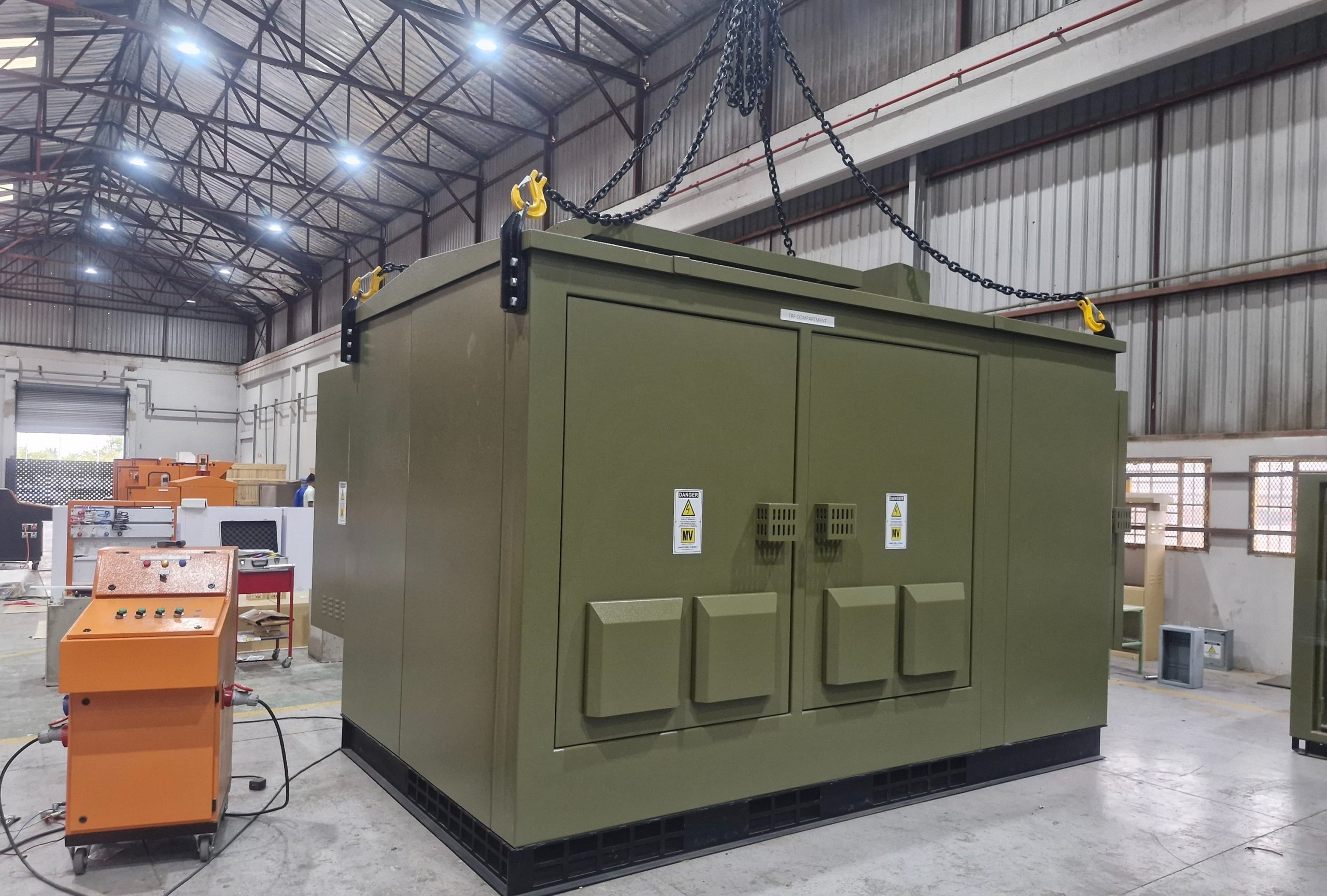
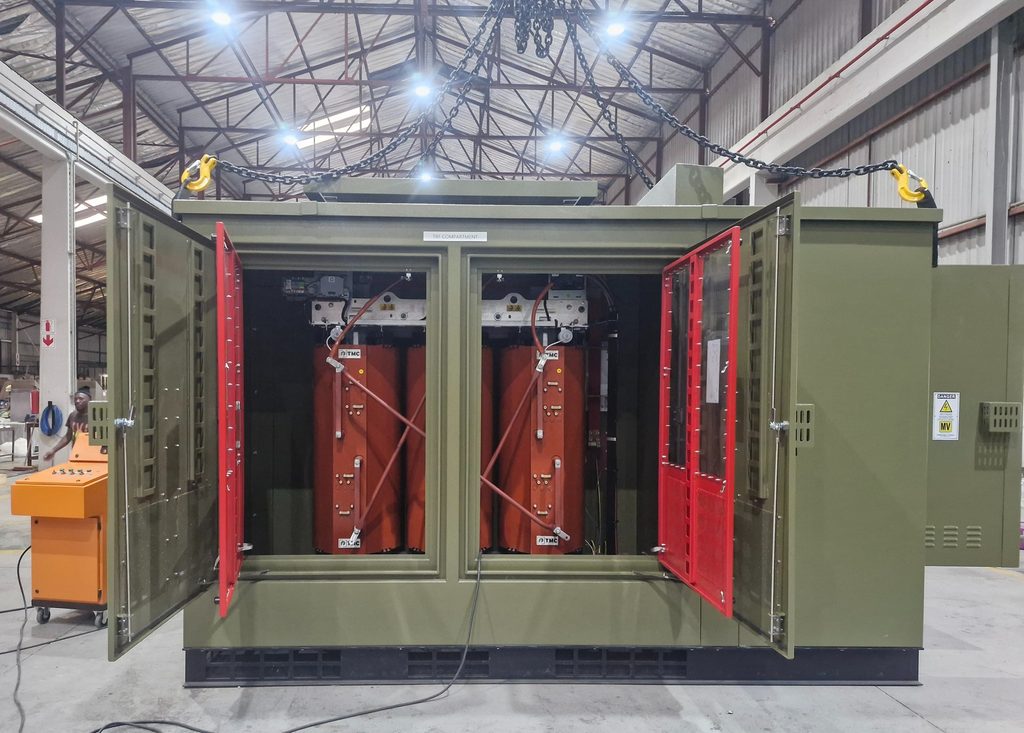
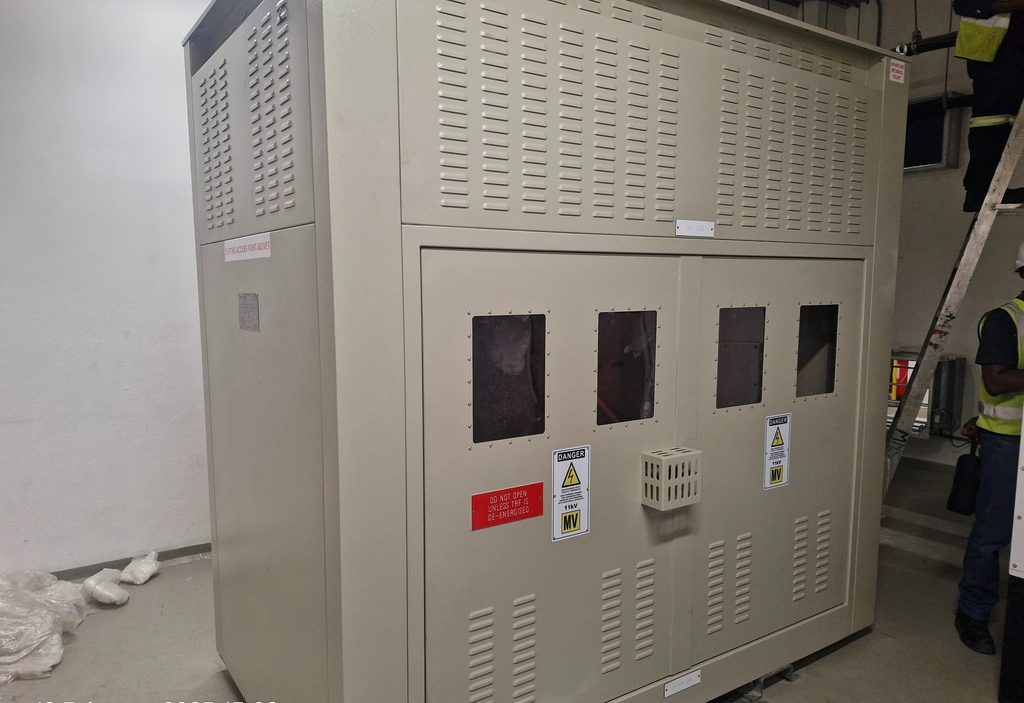
Dry-type transformers are increasingly being selected for applications where stable performance, safety and reduced maintenance are priorities. Their robust insulation systems, excellent thermal characteristics and resistance to environmental contamination make them well suited to demanding industrial environments including mining, processing plants, data centres, manufacturing facilities and renewable energy installations.
Modern dry-type transformers also offer low losses under both no-load and full-load conditions, improving overall system efficiency while reducing operating costs throughout the equipment’s service life. When designed specifically for the application’s load profile, ambient temperature and installation environment, they help maintain voltage regulation under varying demand conditions and minimise unnecessary energy losses.


However, Claassen emphasises that transformers alone cannot solve every power quality issue.
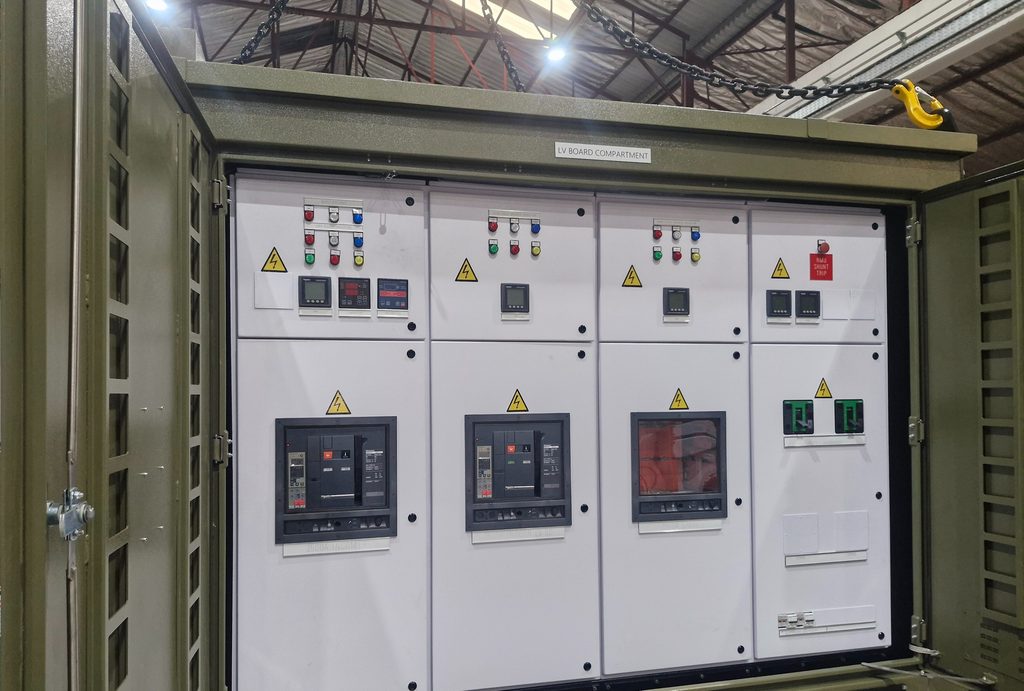
“Effective power quality management requires a holistic engineering approach. Every installation must consider load characteristics, fault levels, harmonic content, environmental conditions and future expansion. Transformers need to be correctly integrated with switchgear, protection systems and the wider electrical distribution network to deliver optimum performance,” he says.
As industries continue adopting digital technologies, automation and renewable energy integration, electrical networks are becoming increasingly dynamic and technically demanding. Distributed generation, battery energy storage systems, electric drives and intelligent control systems all place additional emphasis on maintaining stable power quality. “The electrical network has become a strategic asset rather than simply a utility service,” Claassen concludes. “Investing in properly engineered transformer solutions and sound electrical system design protects valuable equipment, improves operational efficiency and creates the stable power platform that modern industry depends on.”