

As mining companies continue to outsource operational activities to specialist service providers, the line between mining and civil engineering work is becoming increasingly blurred – and many contractors are exposing themselves to serious compliance risks without even realising it.
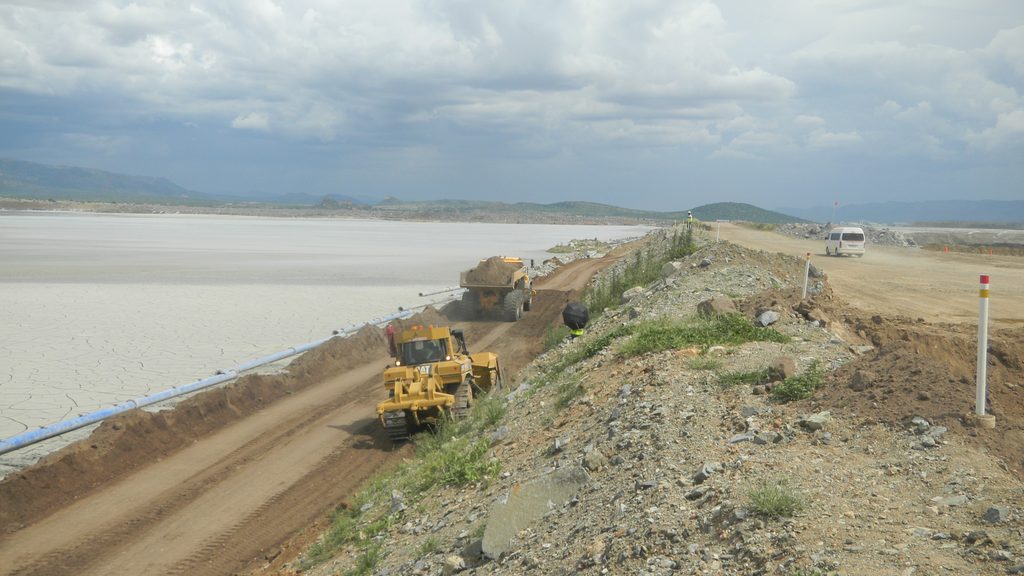
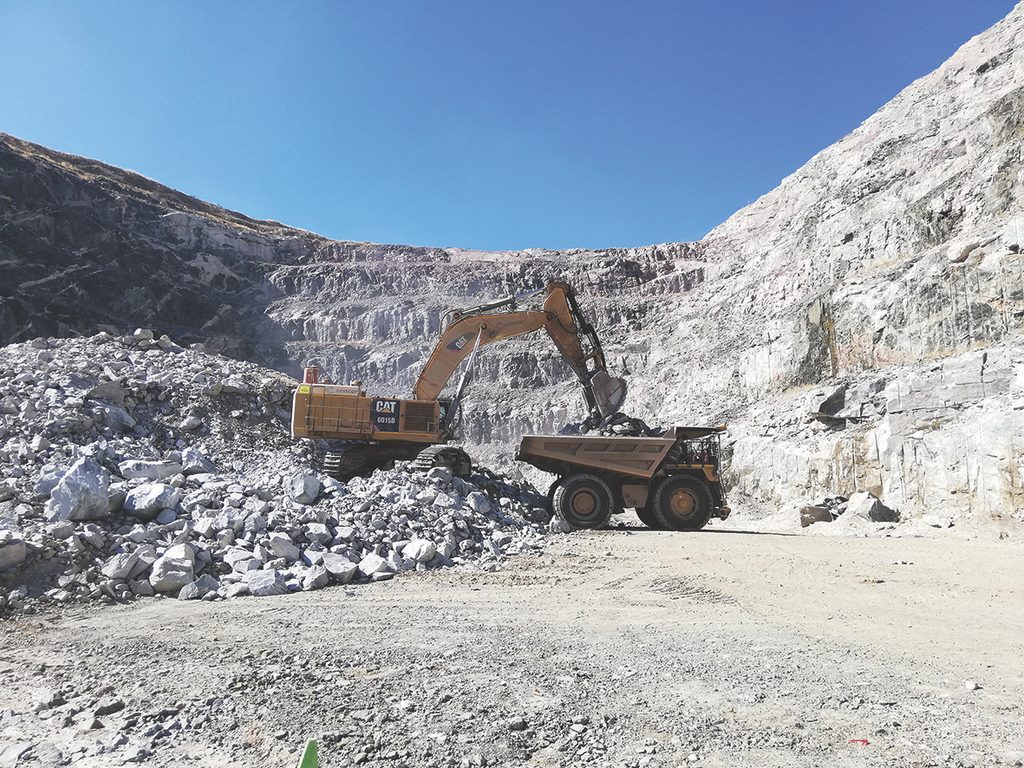
According to Bargaining Council for the Civil Engineering Industry (BCCEI) Operations Manager Lindie Fourie, contractors operating on mines often incorrectly assume that all work performed within a mining environment automatically falls under the mining sector. In reality, many activities routinely outsourced by mines – including bulk earthworks, loading, hauling and dumping, access road construction and maintenance, rehabilitation, dust suppression and infrastructure-related services – are legally classified as civil engineering work and therefore fall within the jurisdiction of the BCCEI.


“The physical location of the work is not what determines jurisdiction,” Fourie explains. “What matters is the nature of the activity being performed. If that activity falls within the registered scope of the civil engineering industry, then the contractor has a legal obligation to register with the BCCEI and comply with its collective agreements.”
As a statutory council established under the Labour Relations Act, the BCCEI is responsible for regulating labour relations within the civil engineering industry and ensuring compliance with sector-wide collective agreements. Once these agreements are negotiated and gazetted by the Minister of Employment and Labour, they become legally binding on all employers and employees operating within the council’s scope – regardless of whether they belong to employer organisations or trade unions represented within the council.


For contractors servicing the mining sector, this is not a minor administrative issue. Non-compliance can carry significant operational, legal and commercial consequences.
Beyond the risk of enforcement action and labour disputes, non-compliant contractors may also find themselves at a disadvantage during procurement and tender evaluation processes, where proof of compliance and labour stability is increasingly scrutinised by mining houses and principal contractors.
Fourie says that while some contractors view compliance as a burden the reality is that structured labour compliance creates stability, predictability and a more sustainable operating environment.

“In mining, downtime is extremely expensive and labour instability can have immediate operational and financial consequences,” she says. “The BCCEI bargaining framework helps prevent fragmented wage negotiations and site-specific disputes by creating nationally negotiated agreements that apply consistently across the industry.”
Under the council’s centralised bargaining model, wages and employment conditions are negotiated nationally and fixed for the duration of the collective agreements. This allows contractors to forecast labour costs accurately, budget effectively and avoid the uncertainty associated with ad hoc wage demands and unstructured labour negotiations.
The council’s agreements also extend beyond wages to include pension fund, medical aid, funeral benefits and other employment protections aimed at improving worker welfare and reducing labour conflict.
According to Fourie, this framework helps create a more professional and competitive contracting environment where businesses compete on operational excellence and service delivery rather than by driving down labour standards.
“Companies should be winning work because of their capability, safety performance, technical expertise and reliability – not because they are bypassing labour obligations,” she says.

Contractors registered with the BCCEI also gain access to specialist dispute resolution systems designed specifically for the civil engineering and construction environment. The council provides industry-focused support structures, digital case management systems and formal mechanisms aimed at resolving disputes efficiently and transparently.
Importantly, compliant companies receive letters of good standing confirming adherence to the council’s collective agreements and obligations – documentation that is becoming increasingly important in both public and private sector procurement processes.
Despite this, Fourie says many contractors operating within mining supply chains remain unaware that their activities may fall within the BCCEI’s scope, particularly smaller contractors and subcontractors that have entered the sector as outsourcing continues to expand.
Rather than focusing purely on enforcement, the Council continues to prioritise industry engagement, education and support to help contractors better understand their obligations and avoid unnecessary noncompliance.

The BCCEI also offers support structures for companies facing financial or operational difficulties including an independent exemptions committee and appeal board that consider special applications on a case-by-case basis.
In addition, the council works with various stakeholders, including the Sector Education and Training Authority, Department of Employment and Labour and the South African Police Service, on broader industry priorities such as training, safety and tackling construction-site extortion.
As outsourcing models become increasingly entrenched within South Africa’s mining sector, Fourie believes contractors can no longer afford to assume that mining legislation alone governs their operations.
“The industry needs to understand that labour compliance is not optional,” she concludes. “It is a legal requirement, but it is also a critical component of building stable businesses, protecting workers and creating a more professional and sustainable contracting environment across the sector.”